

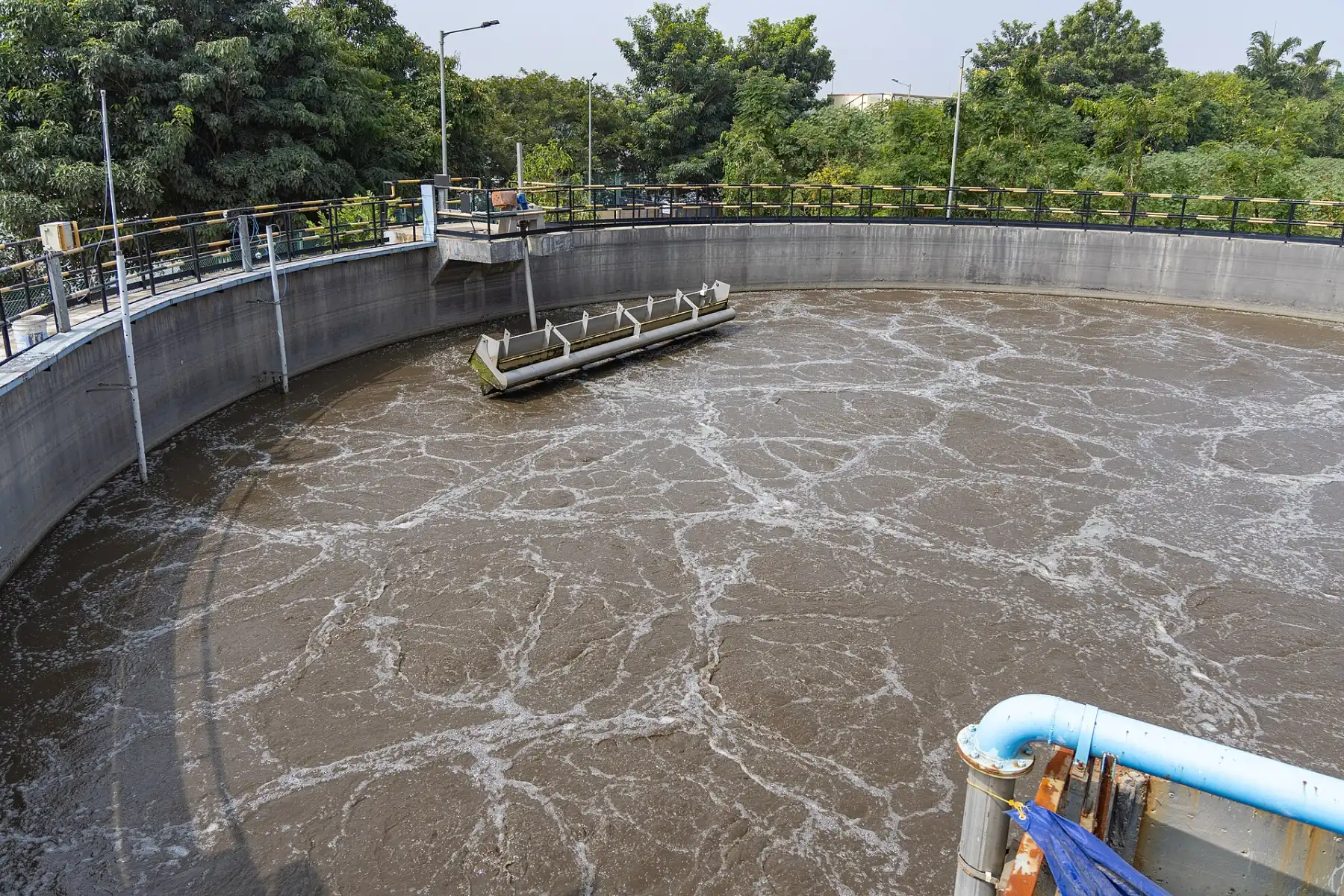
Oil and gas wastewater treatment is the process of bringing site effluents to a quality that can be reused or discharged lawfully. Drilling sites, production facilities, camps and workshops all generate water that carries oil, solids, salts, nutrients and chemicals, and the volume and quality vary from day to day. This article sets out the primary, secondary and tertiary treatment stages, explains why flow and load must be understood first, describes how discharge standards apply and how monitoring is organised, and offers a checklist for reviewing a system.
Understanding oil and gas wastewater streams
Before any treatment is designed, the streams have to be identified. Typical sources include produced water, drilling and well-test water, rig and equipment washdown, process drainage, stormwater from contaminated areas, and domestic sewage from camps. These streams differ widely. Washdown water carries oil and detergent, camp sewage carries organic matter and nutrients, and produced water carries salts and hydrocarbons.
Mixing them without thought can reduce treatment performance, since a stream that suits one process may upset another. Segregation at source, with separate drainage for oily and non-oily areas, usually makes treatment easier and cheaper.
Flow and load come first
Two numbers define the design: how much water arrives (flow) and how contaminated it is (load). Both vary. Flow may peak during rainfall or cleaning campaigns, and load may spike after a spill or a tank clean-out. A treatment system sized only for average conditions can fail at precisely the times when performance matters most.
Good design therefore includes equalisation or buffer storage to smooth peaks, flow measurement to know what is actually happening, and sampling to establish typical and worst-case quality. Characterisation by a competent laboratory, discussed in waste characterisation, underpins these decisions.
Primary treatment
Primary treatment removes what can be removed physically. Screens take out debris, grit chambers remove sand and heavy solids, and oil-water separators or settling tanks remove free oil and settleable solids. For oily streams, this stage often does the most to protect the rest of the system, because free oil can coat surfaces and harm biological processes. The details are similar to those in physical separation and filtration of oily waste.
Chemical conditioning, such as pH adjustment or coagulation, may be added here to help fine particles and emulsified oil to separate.
Secondary and tertiary treatment
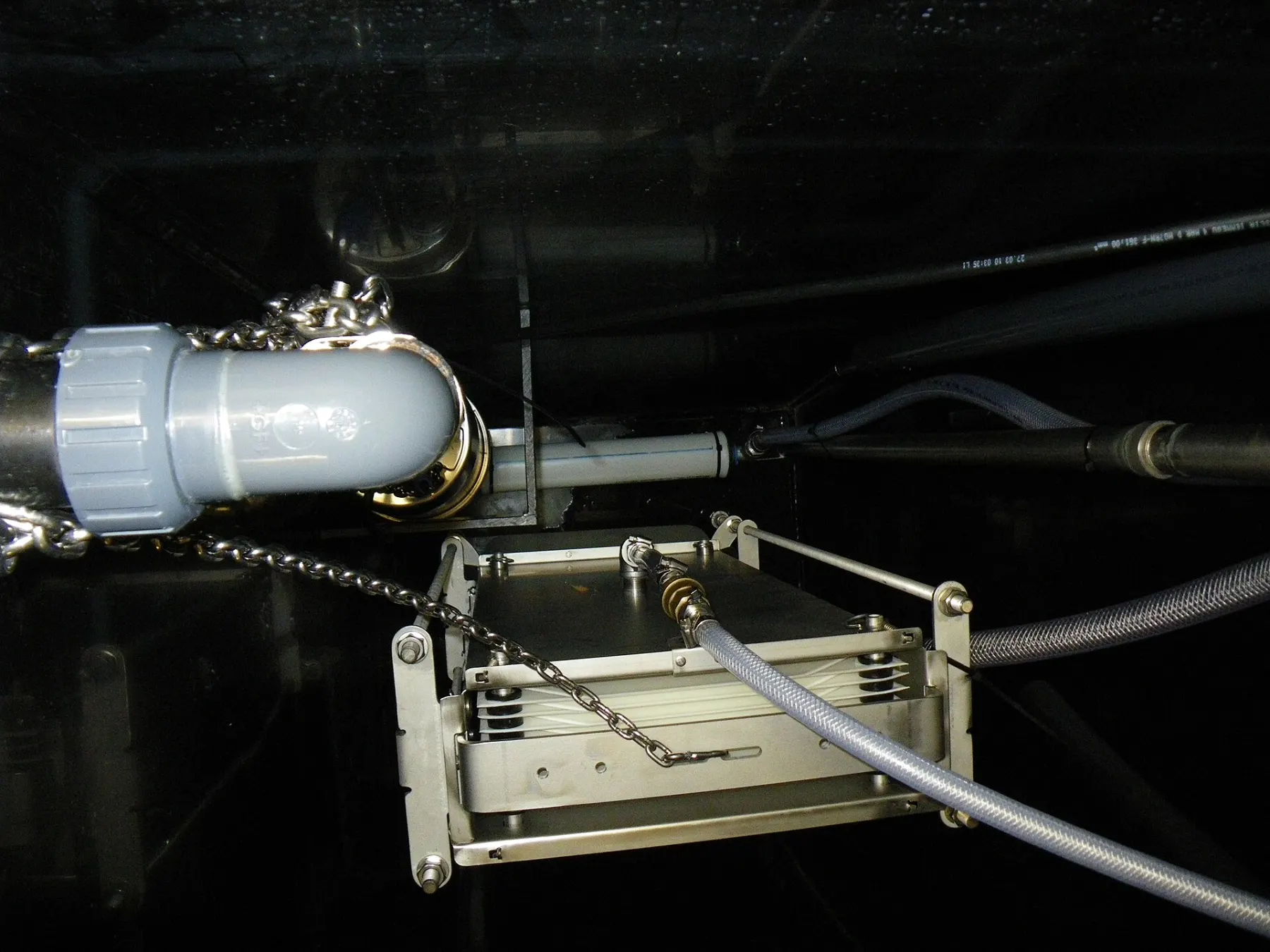
Secondary treatment deals with dissolved and fine organic material, usually biologically. Microorganisms consume organic compounds, converting them to biomass and gases. Common arrangements include activated sludge systems, fixed-film reactors and membrane bioreactors, which are explained in membrane bioreactor (MBR) wastewater treatment.
Biological systems are sensitive. Toxic shocks, extreme pH, high salinity or sudden loading can reduce performance or kill the biomass, so upstream controls and monitoring matter. Sludge is produced in this stage and needs its own management route.
Tertiary treatment polishes the water to meet a stricter standard or a specific reuse requirement. Depending on the case it may include filtration, activated carbon for residual organics, nutrient removal, disinfection, or further membrane processes. Not every site needs every step; the requirement follows from the discharge or reuse standard.
Sludge and residuals are the part most often overlooked. Every stage produces something: oily sludge from separators, biological sludge from secondary treatment, spent filter media and membrane cleaning solutions from polishing. These residuals need collection, dewatering where appropriate and an approved route for treatment or disposal. A wastewater plant that produces clean water but leaves an unmanaged pile of sludge has simply moved its problem, and a design review should always ask where each residual goes.
Discharge standards for oil and gas wastewater
Discharge to the environment is controlled. A permit sets limits for named parameters and may require stated monitoring and reporting. Operators should confirm current requirements with NEMA, and note that limits depend on the receiving environment and the permit conditions. Practical notes are given in waste water discharge permits in Uganda.
Reuse, for example for dust suppression, construction or process makeup, also needs defined quality criteria and approval where applicable.
Monitoring and operation
A system performs only as well as it is run. Operators typically measure flow, pH, dissolved oxygen, turbidity and conductivity routinely, with laboratory analysis of oil, solids, organic load and nutrients at agreed intervals. Records should be kept for inspections.
A short review checklist:
- Are streams segregated at source, and are their flows and quality known
- Is there buffer capacity for peak flows and load surges
- Is each stage matched to the contaminants it must remove
- Is sludge from each stage captured and routed to an approved destination
- Are sampling points, frequencies and methods defined in a plan
- Are operators trained, and is there a response plan for upsets
Final thoughts
Responsible operators view wastewater treatment as a continuous operating discipline, not a one-time installation. White Nile Consults offers waste water treatment and disposal supported by oilfield water services and engineering support, and you can read about the waste water treatment and disposal service in detail. If you want to discuss a specific site or effluent, please contact the team.
Comments
No comments yet. Be the first to share your thoughts.