

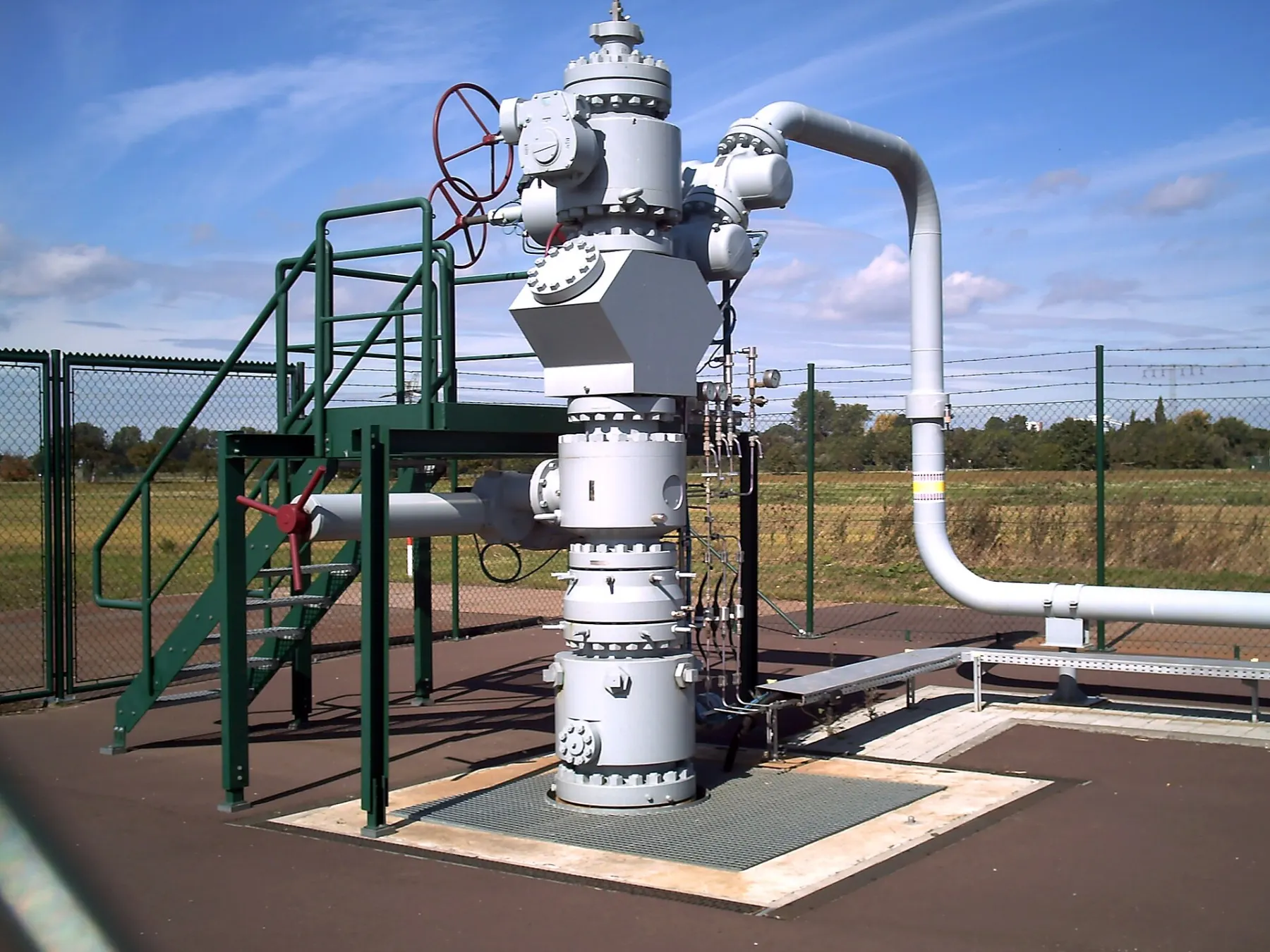
Produced water management is one of the largest and most continuous environmental responsibilities in oil production. Produced water is the water that comes to surface together with oil and gas from a reservoir, and it often makes up a large share of the fluid a field handles. It carries dissolved salts, hydrocarbons and other constituents that make it unsuitable for release without treatment. This article explains what produced water is, which contaminants matter, the main options for treatment, reuse and discharge, and how monitoring keeps the system honest.
What produced water is and why its management matters
Formation water has been in contact with rock for a very long time. When a well produces, that water is lifted along with oil and gas and separated at surface. The volume and quality change over the life of a field: water often makes up a growing proportion of production as a reservoir matures, so the system that suffices in early years may become inadequate later.
Produced water is distinct from the drilling and cleaning wastewaters discussed elsewhere, although the treatment principles overlap. Operators should treat it as a continuous process stream with its own design basis, not as an occasional waste. The wider context is described in types of oilfield waste.
Contaminants of concern
The composition depends on the reservoir, but the main constituents typically include:
- Dissolved salts, giving high salinity and conductivity
- Dispersed and dissolved hydrocarbons
- Suspended solids and scale-forming minerals
- Metals present in formation water, in varying amounts
- Residual treatment chemicals such as corrosion inhibitors and demulsifiers
- Sometimes naturally occurring radioactive material or sulphide, depending on the formation
Each constituent shapes the treatment approach. Dissolved salts are not removed by simple oil-water separation, for example, and some dissolved organic compounds pass through conventional equipment. Characterisation by an accredited laboratory is the starting point, as for any waste.
Produced water management: treatment steps
Treatment normally begins with gravity and mechanical separation to remove free oil and larger solids, followed by finer polishing steps to reduce dispersed oil. Depending on the end use, further treatment may address suspended solids, dissolved organics, hardness or salinity. Biological and membrane processes are used in some cases, and the principles are explained in oil and gas wastewater treatment. The right sequence depends on flow, load, the required output quality and the cost of operating the system.
It is worth designing for variability. Flow and quality can swing with well interventions, upsets and production changes, so equalisation capacity and clear operating limits help prevent poor-quality water leaving the system.
Chemistry in the production system affects treatment too. Corrosion inhibitors, scale inhibitors, demulsifiers and biocides are added upstream for good reasons, but they can influence how oil and water separate and how biological treatment behaves. Operators should keep a current list of chemicals used, with safety data sheets, so that the water treatment team can anticipate effects and avoid surprises. Changes in chemical programmes should be communicated to those responsible for water treatment before they are made, not after performance drops.
Reuse, reinjection and discharge
There are three broad destinations for treated produced water, and which is allowed depends on regulation, geology and local conditions.
Reuse within operations, for example in drilling fluids or process uses, reduces freshwater demand and avoids disposal, where water quality permits. Reinjection into suitable subsurface formations is common practice in the industry, subject to technical and regulatory approval. Discharge to the environment is the most tightly controlled route and requires a permit with stated limits, as described in waste water discharge permits in Uganda.
Operators should confirm current requirements with NEMA and the Petroleum Authority of Uganda before choosing a route. Sensitive environments, such as wetlands, rivers and lake systems in the Albertine Graben, raise the standard of care expected.
Monitoring and records
Monitoring turns design into evidence. A monitoring programme typically defines which parameters are measured, at which points, how often, with what method and by whom. Online instruments can give early warning of upsets, while laboratory analysis of grab or composite samples provides the formal record. Results should be reviewed against permit limits regularly, and trends should be examined, not only individual values.
Calibration of instruments, chain of custody for samples and clear escalation procedures when limits are approached are all part of good practice. Records should be kept in a form that can be shown to an inspector, a client or an auditor without reconstruction.
Common weaknesses
Practical problems tend to repeat across sites: undersized equalisation, poor control of chemical dosing, inadequate sludge handling from separators, and limited sampling points. Sludge from produced water systems is a waste stream in its own right and must be managed, a topic covered in sludge management in wastewater treatment.
Final thoughts
Responsible operators see produced water as a long-term obligation that evolves with the field. White Nile Consults provides waste water treatment and disposal supported by oilfield water services, and holds a waste water discharge permit for its own Kikuube facility. You can read about the waste water treatment and disposal service on the site. If you are reviewing your produced water arrangements, please contact the team.
Comments
No comments yet. Be the first to share your thoughts.