

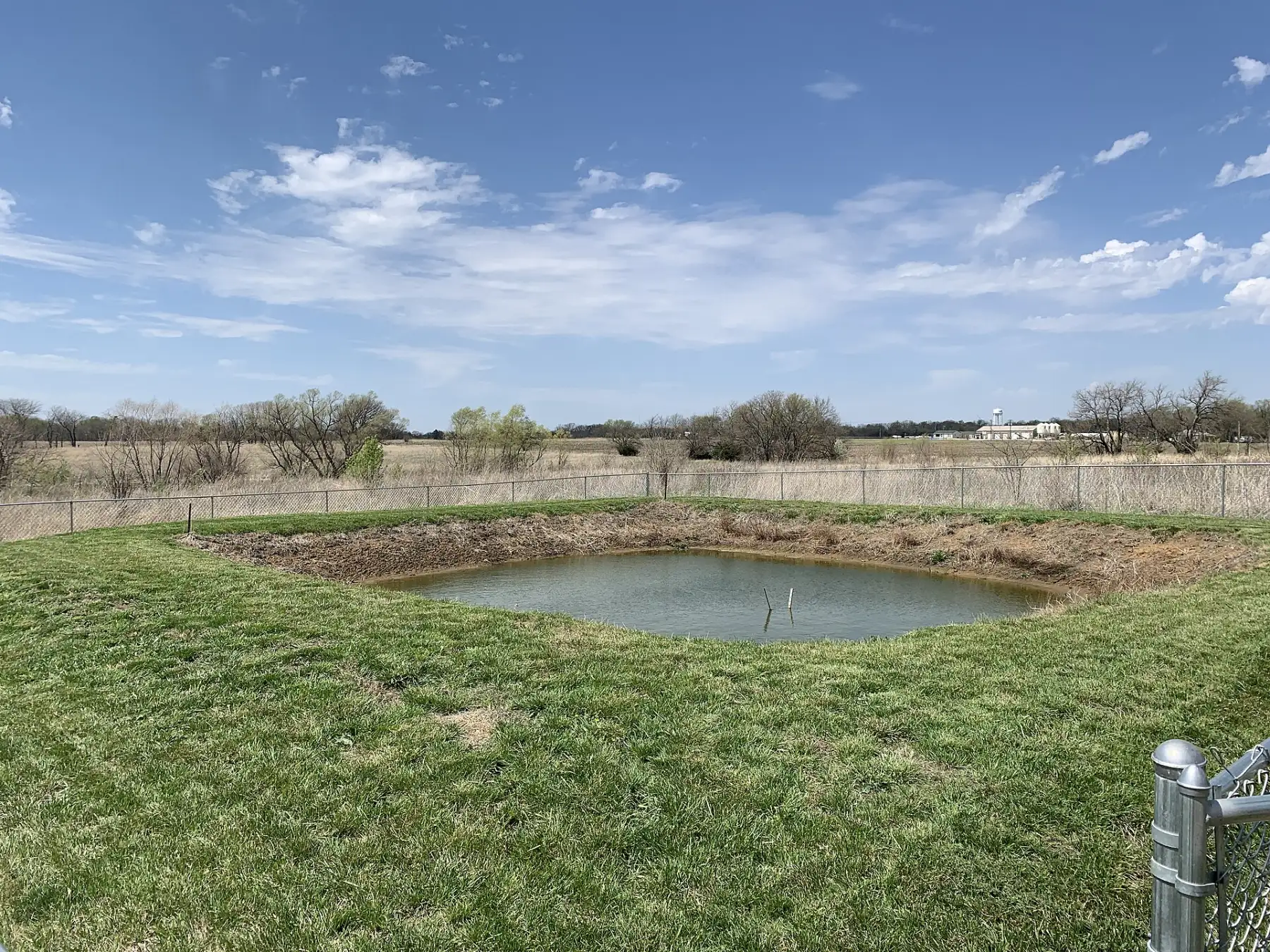
Operators who generate liquid waste will eventually need to understand the waste water discharge permit in Uganda. Treated water has to go somewhere, and the destination is usually a stream, wetland, soakaway or land application, all of which are part of a shared environment that the regulator is responsible for protecting. This article explains, in general terms, why discharge permits exist, what they typically require, how monitoring and reporting work, and what practical steps help an operator stay within its conditions. It is guidance for planning, not legal advice, and current requirements should always be confirmed with the regulator.
Why a waste water discharge permit exists
Water leaving a treatment system is not automatically harmless. Even well-treated effluent can carry residual organic load, nutrients, salts or traces of hydrocarbons, and its effect depends on the volume and on the sensitivity of the receiving environment. A discharge permit is the regulator's way of setting terms: what may be discharged, where, in what quality and under what monitoring.
In Uganda, environmental regulation sits under the National Environment Act and related regulations, administered by NEMA, with other authorities involved depending on the setting. The permit gives communities and downstream users some assurance that discharges are controlled, and it gives operators a clear standard to design and operate to.
What a permit typically contains
The detail differs from one permit to another, and the permit document is the authority. In general, a discharge permit tends to address:
- The permit holder and the specific site and discharge point.
- The source and nature of the waste water being discharged.
- Quality limits for named parameters, which the operator must meet before discharge.
- Limits or conditions on volume or flow, where relevant.
- Monitoring requirements: which parameters, how often and where samples are taken.
- Reporting obligations, including the format and timing of reports to the regulator.
- The period of validity and the conditions for renewal.
- Any special conditions linked to the site's environmental approvals.
Operators should read the limits alongside the treatment design. A permit that sets tight limits for a parameter the system was never built to remove is a design problem to solve before commissioning, not after the first sample.
Designing treatment around the permit
Good practice is to work backwards from the permit. List the parameters to be controlled, compare the expected raw water quality with the permitted discharge quality, and choose treatment stages that can close the gap with a reasonable margin. Our overview of oil and gas wastewater treatment explains the stages involved, and membrane bioreactor systems are one option where high effluent quality is needed in a compact footprint.
Flow variability deserves attention. Rain, a change in camp population or a batch release from a process can send a surge through the system, and a permit does not pause during a storm. Equalisation capacity, emergency storage and clear operating procedures help prevent a bad day becoming a non-compliance.
Monitoring and reporting in practice
Monitoring turns a permit from a document into a routine. Practical principles include:
- Sample at the point and with the method the permit specifies, and record who sampled, when and how.
- Use laboratories with demonstrated competence, so results will withstand scrutiny (accreditation to ISO/IEC 17025 is one indicator of this).
- Calibrate field instruments on schedule and keep the records.
- Review results promptly against the limits, not only at report time.
- Define what happens when a result approaches or exceeds a limit: who is informed, what is checked and when discharge stops.
- Report accurately and on time, including bad results, with an explanation and a corrective action.
Trend analysis is valuable. A parameter that creeps upward over several months often signals a developing issue, such as media fouling or a dosing fault, long before it becomes a breach.
Common pitfalls
Operators sometimes run into the same issues:
- Treating the permit as a one-off hurdle rather than an ongoing obligation.
- Discharging from a point not named in the permit.
- Letting sampling lapse during busy periods.
- Failing to renew in time or to notify the regulator of material changes.
- Relying on a contractor's compliance without asking for evidence.
Many of these are documentation and discipline problems, which is why a clear record trail matters. The principles in our article on waste tracking and documentation apply equally to water records.
Permits and the wider approvals framework
A discharge permit sits alongside the ESIA and the operating licence for a site, rather than replacing them. Anyone choosing a facility to receive or treat liquid waste should ask for all three. White Nile Consults is permitted under waste water discharge permit KIK01/WP-23069/2024/NN for its facility in Kikuube District, together with the licence and certificates listed on our certifications page. Further detail on our treatment capability is on the Waste Water Treatment & Disposal service page.
Final thoughts
Responsible operators treat the discharge permit as a commitment to the environment downstream, and they design, monitor and report with that in mind. They also choose treatment partners who can show current permits and consistent records. If you are planning liquid waste arrangements for a project and want to discuss them, please contact the team.



Comments
No comments yet. Be the first to share your thoughts.