

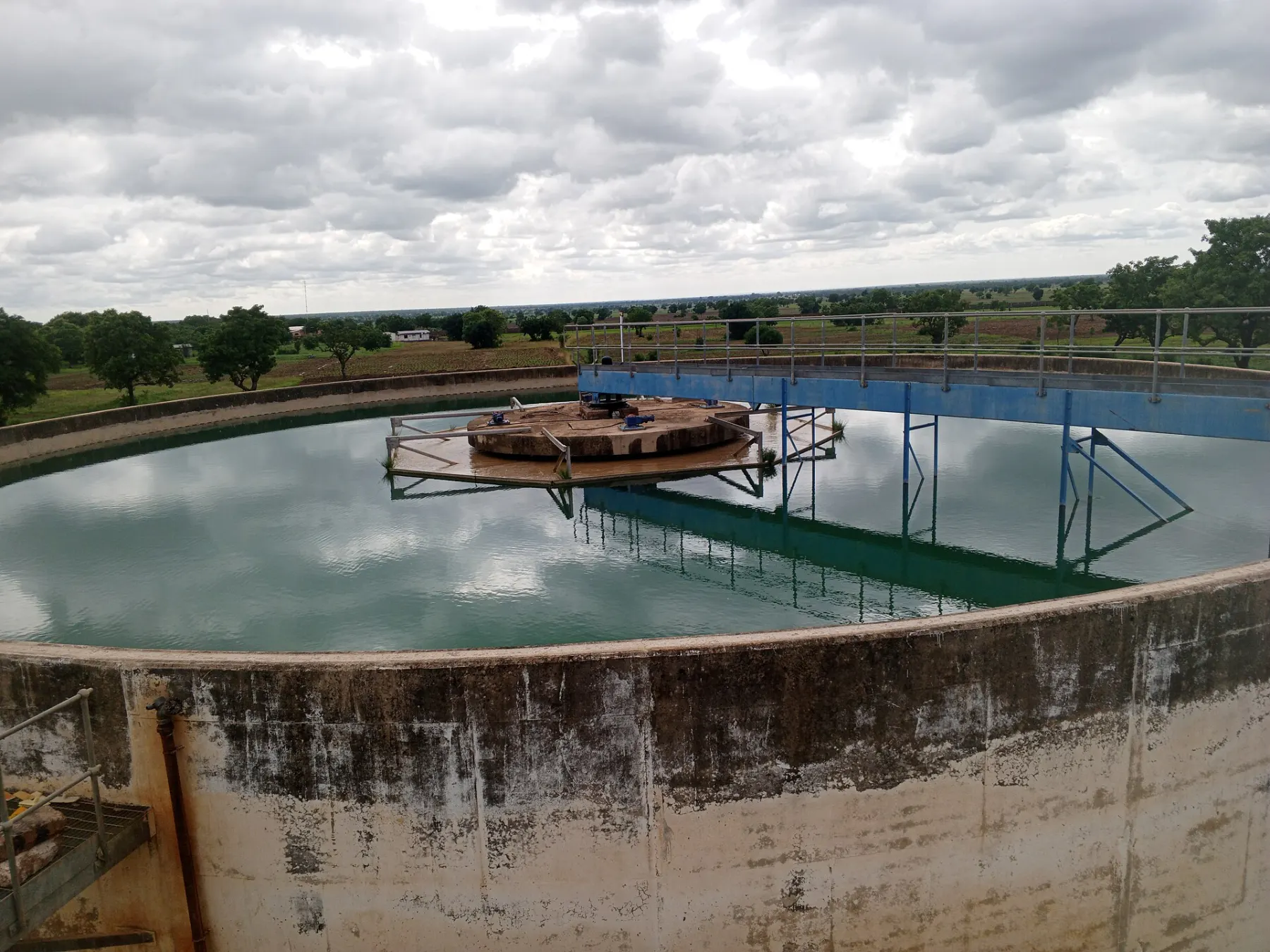
Environmental audit preparation is easiest when it is not treated as preparation at all. Sites that keep records current, spaces tidy and people informed on an ordinary Tuesday are rarely troubled when an inspector arrives on a Wednesday. This article explains what environmental audits and inspections generally look for, how to organise your documents, what to do about site housekeeping and staff, and how to handle corrective actions so that each audit leaves you stronger.
What an environmental audit is looking for
Audits come in several forms: regulatory inspections by bodies such as NEMA, client audits of contractors, certification audits against standards such as ISO 14001, and internal reviews. They differ in scope, but they ask versions of the same questions. Does the site hold the permits it needs? Does it follow the conditions attached to them? Do records show that what is claimed is actually done? Are people trained, and do they know what to do?
Inspections may be scheduled or may arrive with little warning, so a sensible assumption is that the site should always be ready. A useful habit is to run a short internal walk-through each month using the same checklist an auditor would use, and to keep the results. Over time this shows whether conditions are stable, improving or slipping, and it means the site has already found most of its own weak points before anyone else does. Operators should confirm with the relevant authority what they can expect from inspections under current regulations.
Documents to have ready
Auditors usually start with paper before they walk the site. A well-organised audit file saves time and creates confidence. Typical contents include:
- Licences, permits and certificates, with expiry dates visible and renewals tracked.
- The ESIA and the environmental and social management plan, with a register of commitments and their status.
- The waste management plan and procedures.
- Waste registers, manifests, weighbridge records and disposal certificates (see waste tracking and documentation).
- Monitoring results for water, groundwater, emissions or noise, where applicable.
- Training records and induction attendance.
- Equipment inspection and calibration records.
- Incident, spill and near-miss reports, with investigations and closure evidence.
- Emergency response plans and drill records.
- Records of previous audits and their corrective actions.
The goal is not to produce more paper but to be able to find the right paper in minutes. A simple index at the front of the file, updated monthly, does most of the work.
Site housekeeping that signals control
Inspectors read a site quickly. Visible order suggests management is paying attention, and visible disorder prompts closer questions. Walk the site as an auditor would and look for:
- Clear labelling of tanks, bunds, containers and storage areas.
- Intact secondary containment, free of standing liquid, with drains closed or controlled as designed.
- Segregated waste areas with correct signage and no mixing of incompatible materials.
- Spill kits that are stocked, accessible and known to the staff nearby.
- Evidence of leaks or staining, and what is being done about them.
- Safe access, lighting and fire protection.
- Waste storage within permitted limits and time frames.
Our guide to solid waste segregation sets out how a segregation system can be designed so it stays orderly in daily use.
Briefing and preparing your people
Auditors talk to staff, and the answers matter as much as the documents. A new operator who cannot explain how to respond to a spill suggests a training gap, however good the written procedure. Brief teams on what an audit involves, why it is routine and how to answer honestly and directly. Staff should say what they do and, if unsure, say they will check, rather than guess.
Name a coordinator to accompany the auditor, arrange access and log requests for further information. Keep a record of everything provided, including documents handed over, questions asked and any commitments made to follow up. If an auditor identifies something that can be fixed immediately, such as a mislabelled container, fix it and note it, but do not hide the finding.
Handling findings and corrective actions
Every audit produces findings, and how they are handled is part of the audit result. A sound approach is:
- Record each finding in an action register with an owner and a target date.
- Identify the root cause, not only the symptom, so that the same issue does not return.
- Apply the correction, then verify it was effective.
- Share lessons across the site and, where relevant, other sites.
- Report back to the auditor or regulator as agreed.
Management systems built on a plan, do, check and act cycle treat this loop as normal business, which is one reason certification schemes such as ISO 14001 place weight on corrective action.
Final thoughts
Responsible operators prepare for audits by running their sites in a way that would stand scrutiny at any time. They welcome inspection as a free check on their own blind spots. White Nile Consults operates under certified management systems and holds the permits listed on our certifications page. If you would like to arrange a visit or discuss audit expectations for your waste streams, please contact the team.

Comments
No comments yet. Be the first to share your thoughts.