

Good waste tracking documentation is what separates a well-run waste programme from one that only appears to be. When an auditor, regulator or client asks where a drum of contaminated soil went, the answer should be a set of records that connect the point of generation to final disposal, with no gaps. This article explains the documents that make up a reliable audit trail, how they fit together and the habits that keep them accurate.
Why waste tracking documentation matters
Hazardous waste is a liability that follows the producer. Even after a licensed contractor collects it, the producer remains accountable for ensuring it is managed properly. Records are the only way to demonstrate that. Without them, a perfectly good treatment process cannot be proved, and a missing document can be read as a missing process.
Documentation also has an operational value. It shows volumes by waste type, exposes recurring problems such as contaminated loads, supports invoicing and helps plan capacity. For companies reporting on environmental performance, accurate waste data is the foundation of everything that follows.
The core documents in an audit trail
An audit trail is a chain, and each document is a link. The exact forms depend on the project and applicable requirements, but a complete chain usually includes:
- Waste characterisation record: what the waste is, how it was produced, its hazards and how it was sampled or classified.
- Waste transfer or consignment note (manifest): identifies the producer, transporter, receiving facility, waste description, quantity and date.
- Transporter details: vehicle and driver information, and evidence that the transporter is authorised.
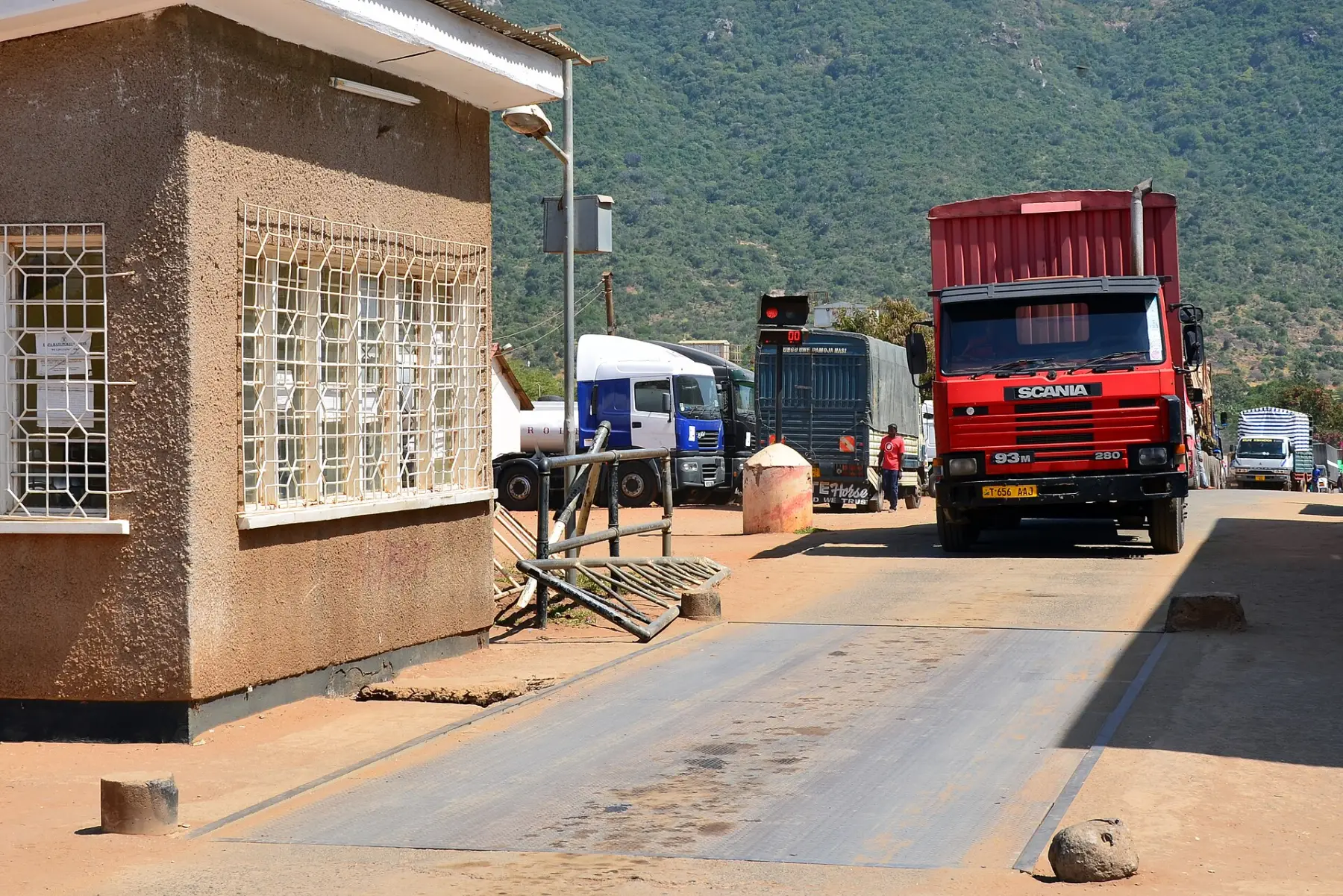
- Weighbridge or measurement record: the quantity actually received, compared with the quantity declared.
- Receiving inspection record: checks on arrival, including any discrepancies or rejected material.
- Treatment record: the method applied, dates, batch identifiers and verification results.
- Final disposal or recovery certificate: confirmation of the end point for the treated waste or its residues.
Each document should carry a reference that links it to the others, so one consignment can be followed from start to finish.
Building the trail step by step
Start at the source. A consistent labelling system at the point of generation, covering waste type, date, origin and responsible person, prevents confusion later. Our article on the life cycle of oilfield waste shows how each stage in the journey creates a record opportunity.
At collection, the producer and transporter should check the load against the manifest before it leaves, and both sign. On arrival, the facility should weigh and inspect the load and note any difference from the declared quantity. During treatment, batch numbers allow the output to be traced back to its inputs. At the end, the facility issues a certificate that references the original consignment numbers.
Reconciliation is the step that turns paperwork into assurance. Periodically, compare quantities generated, collected, received and treated. Differences are not always errors, since moisture, sampling and measurement methods all affect numbers, but unexplained gaps should be investigated and the explanation recorded.
Common weaknesses auditors find
Experienced auditors tend to look for the same issues:
- Manifests missing signatures or dates.
- Quantities that do not reconcile between the producer, transporter and facility.
- Waste descriptions that are vague, such as "oily waste", with no characterisation behind them.
- Treatment records that cannot be linked to specific incoming loads.
- No evidence of the final disposal route.
- Records held in several places with no single owner.
Most of these can be prevented with a simple rule: no waste moves without a document, and no document is accepted without a reference that connects it to the rest. Preparation for such reviews is discussed in our article on environmental audits and inspections.
Keeping records usable
Records only help if they can be found. A few practical measures keep them usable:
- Assign one person or team to own the waste register.
- Use consistent naming and numbering for consignments and batches.
- Store scanned copies of signed originals in a structured folder or system with access controls.
- Back up electronic records and keep paper originals where required.
- Agree retention periods with the regulator and the client, and confirm current requirements with the relevant authority.
- Review a sample of consignments each month, tracing one from generation to disposal as a self-check.
Digital tools can reduce transcription errors, but they do not replace the underlying discipline. A spreadsheet that is updated at the time of each event is more reliable than a sophisticated system filled in weeks later.
What clients should expect from a contractor
A treatment facility should be able to show a producer exactly how its documents work: how loads are received, what is recorded and when a certificate is issued. When evaluating options, it is reasonable to ask for sample documents and to see how records are held. The guide to choosing a licensed waste contractor lists further points to check. White Nile Consults operates under a quality management system certified to ISO 9001:2015, which depends on documented processes and records, as outlined on our certifications page.
Final thoughts
Responsible operators treat documentation as part of the treatment itself, because a waste stream that cannot be traced has not been fully managed. Clear records protect the producer, the contractor and the environment. If you would like to discuss how waste records can be structured for your project, please contact the team.



Comments
No comments yet. Be the first to share your thoughts.