

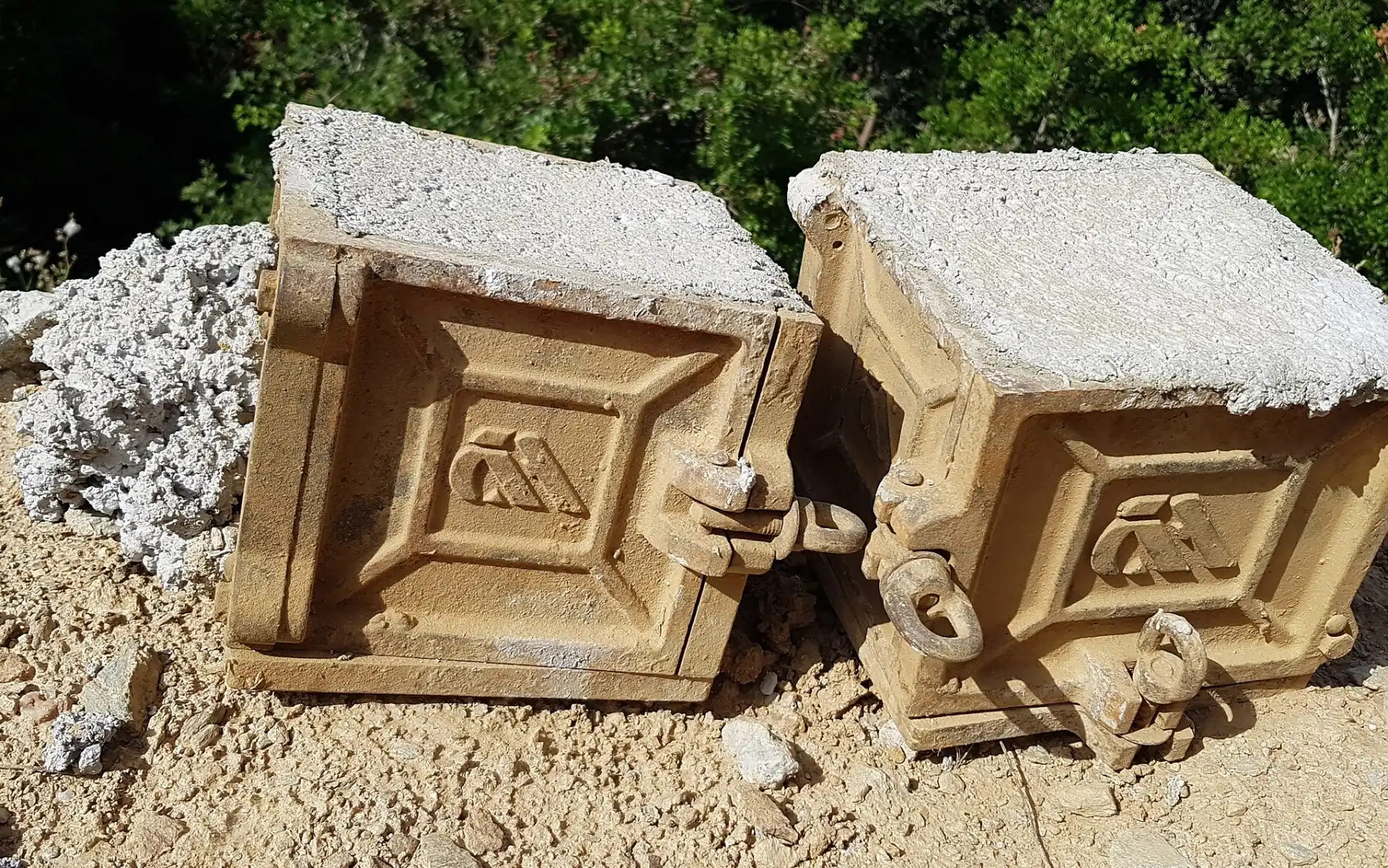
Solidification and stabilisation testing is how an operator proves that a treated waste is fit for placement, rather than assuming it is. Mixing a binder into drill cuttings or sludge is only half of the job. The other half is showing, with laboratory evidence, that contaminants are held in the matrix and that the material behaves predictably once it is placed. This article explains what is tested after treatment, how leachability and strength results are read, how acceptance criteria are set, and which records a project manager or HSE lead should expect to see.
Why solidification and stabilisation testing matters
Solidification changes the physical form of a waste, turning a soft or liquid material into a monolithic or granular solid. Stabilisation changes the chemistry, so that metals, salts and hydrocarbons are less able to dissolve or migrate. Both are used on oilfield wastes such as drill cuttings and oily residues, and both can look successful to the eye while failing in practice. A block that appears hard may still release salts into rainwater. A batch that passes one test may have been mixed unevenly.
Testing closes that gap. It protects groundwater and surface water, it protects the operator from later disputes about what was placed, and it tells the treatment team whether the binder recipe needs adjusting. In the Albertine Graben, where wetlands, rivers and Lake Albert are close to operations, the consequences of an unverified treatment are not abstract.
Start with characterisation, not with the binder
Good testing begins before any binder is added. The raw waste has to be understood first: its moisture, hydrocarbon content, salinity, metals and pH all influence which binder works and what the finished material is likely to release. Treating a waste without this baseline makes the later results difficult to interpret, because there is nothing to compare them with. This is why waste characterisation comes first in any sound treatment programme, and why trial mixes are normally run at small scale before full batches are processed.
Leachability testing for solidification and stabilisation
Leachability testing asks what can come out of the treated material when water passes through it. A representative sample is typically contacted with a leaching fluid under controlled conditions, and the resulting liquid is analysed for the contaminants of concern. The choice of method, the liquid-to-solid ratio and the parameters measured depend on the waste stream, the intended disposal route and the requirements of the regulator.
Typical parameters of interest in oilfield waste include:
- pH and electrical conductivity, which indicate alkalinity and dissolved salts
- Chloride and other soluble salts, often significant in drilling waste
- Heavy metals, depending on the mud system used
- Hydrocarbon indicators, such as total petroleum hydrocarbons
Results are compared with acceptance values that the operator has agreed with the regulator or set in its approved plan. Operators should confirm current requirements with NEMA and, where relevant, the Petroleum Authority of Uganda, rather than relying on values quoted in general articles.
Strength and physical testing
Strength testing looks at the physical side. Unconfined compressive strength is commonly used to show that the solidified material has cured to a stable form and can carry the load of material placed above it. Other physical checks may include permeability, which indicates how readily water can move through the mass, and observations of cracking, slumping or free liquid.
Curing time matters. Samples are normally tested after a defined curing period, and some programmes test at more than one age to see how the material develops. A result taken too early can understate the final strength, while a result taken too late hides how long the material needs before it can be moved or covered. The point is not to chase a high number but to confirm that the material meets the stability needs of its final location.
Setting acceptance criteria
Acceptance criteria should be written down before treatment begins, not after the first results arrive. They normally combine a leachability limit for each parameter of concern, a minimum strength or stability requirement, and a statement of how many samples will be taken per batch or per volume treated. A clear failure route is equally important: what happens to a batch that does not pass, whether it is re-treated, re-tested or diverted to another approved option.
Sampling frequency deserves thought. Heterogeneous wastes need more samples than uniform ones, and a change in the incoming waste, for example a switch in mud system, should trigger fresh trials. Where the finished material is destined for an engineered cell, the criteria should be consistent with the requirements discussed in landfill versus treatment and engineered disposal options.
Documentation and laboratory quality
A test result is only as credible as the laboratory and the paper trail behind it. Look for sampling plans, chain-of-custody forms, method references, calibration evidence and clearly signed reports. Laboratories working to a recognised competence standard give clients more confidence in the numbers; the role of accredited testing is covered in ISO/IEC 17025 laboratory testing for waste characterisation.
A practical checklist for reviewing a treatment record:
- Baseline characterisation of the untreated waste
- Binder type, mix ratio and trial results
- Batch identification linked to sample identification
- Leachability and strength results against stated criteria
- Treatment of any failed batch and the re-test result
- Final placement location and date
Final thoughts
Responsible operators treat testing as part of the treatment, not as an afterthought. At its Kikuube facility, White Nile Consults applies solidification and stabilisation among other methods, chosen according to waste type and risk, and the company holds ISO/IEC 17025:2017 certification alongside its other management system certificates, which you can review on the certifications page. Details of the solid waste treatment and disposal service are available on the site. If you are planning a programme and want to discuss testing and acceptance criteria, you are welcome to contact the team.
Comments
No comments yet. Be the first to share your thoughts.