

Bioremediation uses naturally occurring microorganisms to break down contaminants such as hydrocarbons, and the first design question is usually where the treatment happens. This article compares in-situ vs ex-situ bioremediation: how each approach works, which site conditions favour one or the other, and how speed, cost, control and monitoring differ, so that project teams can have a more informed conversation with their remediation contractor.
What bioremediation does
Many soil bacteria and fungi can use petroleum hydrocarbons as a source of carbon and energy. Bioremediation sets up conditions in which these organisms work efficiently: enough oxygen, moisture, nutrients, suitable temperature and a manageable pH, and contaminant levels that are not toxic to the microbes. Under those conditions the hydrocarbons are gradually converted to carbon dioxide, water and biomass.
It suits biodegradable organic contaminants, and less well on metals, high salinity or very heavy, weathered hydrocarbons, which often need other treatment steps. This is one reason the approach is chosen only after characterisation.
In-situ bioremediation
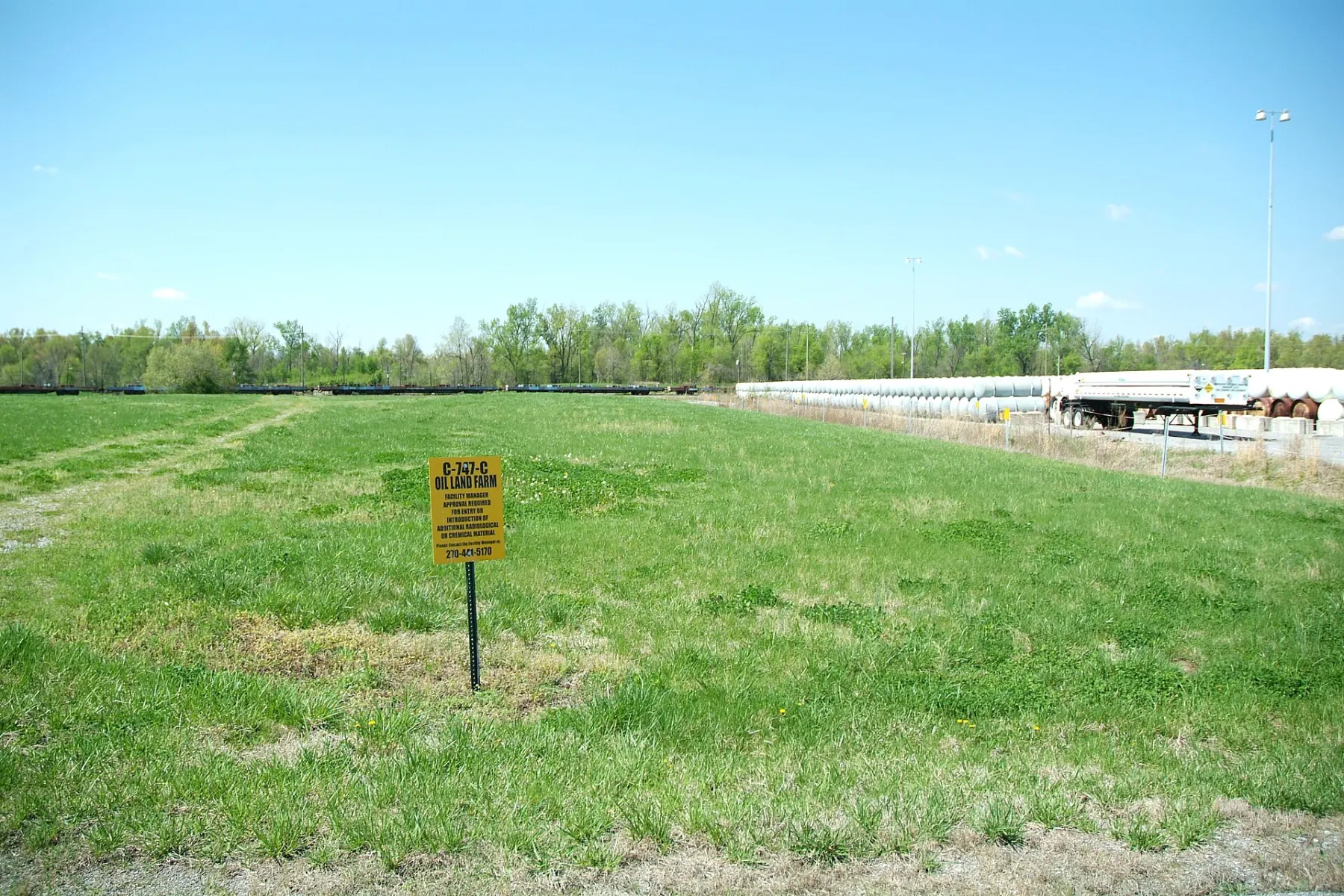
In-situ means treating the contaminated material in place, without excavating it. Methods range from monitored natural attenuation, where conditions are simply observed, to active approaches such as adding nutrients, introducing oxygen through tilling or air injection, or supplying moisture.
Its advantages are less disturbance, no excavation or transport, and often a lower direct cost for large, lightly affected areas. Its limits are control: it is harder to ensure that oxygen and nutrients reach all of the contamination, especially in dense clay, and treatment can be slow where the contamination is deep or the soil is poorly aerated. It also leaves the contamination in contact with the ground and nearby water while treatment proceeds.
Ex-situ bioremediation
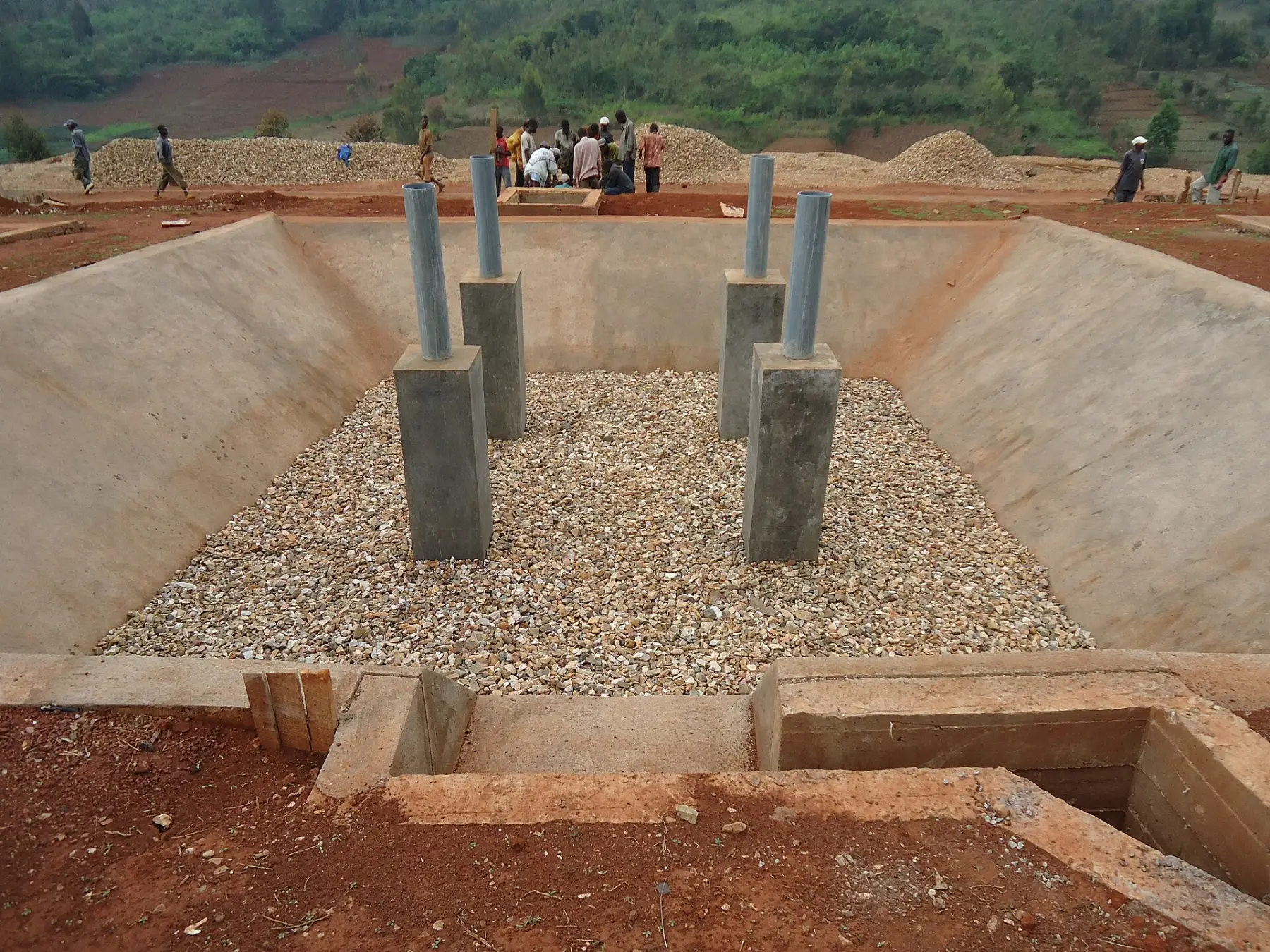
Ex-situ means excavating the material and treating it elsewhere, either on the same site or at a dedicated facility. Typical set-ups include biopiles, where soil is heaped on a lined base with aeration, and landfarming or windrows, where soil is spread in layers and turned regularly. Liners and leachate collection protect the ground beneath.
The main benefit is control. Moisture, aeration, nutrient additions and temperature can be managed, the soil can be blended to even out contamination, and sampling is more straightforward. The trade-offs are the cost and risk of excavation and transport, the need for treatment space, and the permits that may apply to moving and treating waste. Hazardous waste treatment sites need to be appropriately licensed, a point to confirm with NEMA.
Choosing between the two
Several site factors usually decide the matter.
- Depth and extent of contamination: deep or widespread contamination may suit in-situ; shallow, concentrated contamination suits excavation.
- Soil type: permeable sands treat more readily in place than dense clays.
- Proximity of water: where groundwater or a watercourse is close, removing the source to a contained area is often preferable.
- Time available: ex-situ treatment generally offers more predictable progress when deadlines are fixed.
- Contaminant type: heavier or mixed contamination may need pre-treatment or a combination of methods.
- Space and access: ex-situ needs room for lined treatment areas and equipment.
Neither method is universally better, and the two are sometimes combined, with the most heavily contaminated material excavated for controlled treatment while lightly affected surrounding soil is treated in place. Often the decision is made after a site assessment and pilot or laboratory work, not before.
Monitoring and the role of bioaugmentation
Whichever route is selected, monitoring shows whether it works. Teams typically track contaminant concentrations over time, along with moisture, temperature, pH, oxygen and nutrient levels, and compare results against agreed targets. A treatment that cannot show progress is hard to justify.
Bioaugmentation, the addition of selected microbial cultures, is sometimes used where native populations are insufficient. Evidence for its benefit is mixed and depends on site conditions, so it should be supported by testing rather than assumed. Biostimulation, adding nutrients and oxygen to encourage the native organisms, is usually tried first.
A few points apply regardless of the route chosen. Treat free-phase oil before biological treatment, since thick layers of oil limit oxygen transfer and can inhibit microbes. Avoid over-watering, which drives out air, and avoid letting material dry out, which slows activity. Protect treatment areas from run-off and heavy rain with berms and diversion drains. Keep records of every addition and turning operation. Finally, agree the end point in advance: a numerical target, the method of sampling and the approval route, so that everyone knows when treatment is finished.
Where bioremediation fits in the wider programme
Bioremediation is one tool among several. Recovery of free oil often comes first, and solidification and stabilisation may suit material that is not biodegradable. For related methods and wider support, see treating oily sludge step by step and the company's solid waste treatment and disposal service. White Nile Consults applies bioremediation, solidification and stabilisation, and other licensed methods according to waste type and risk, at its licensed treatment site.
Final thoughts
Responsible operators select a remediation approach on evidence: site investigation, laboratory results and a clear monitoring plan, with regulator expectations confirmed early. If you are weighing options for a contaminated site and would like to discuss them, please contact the team.
Comments
No comments yet. Be the first to share your thoughts.