

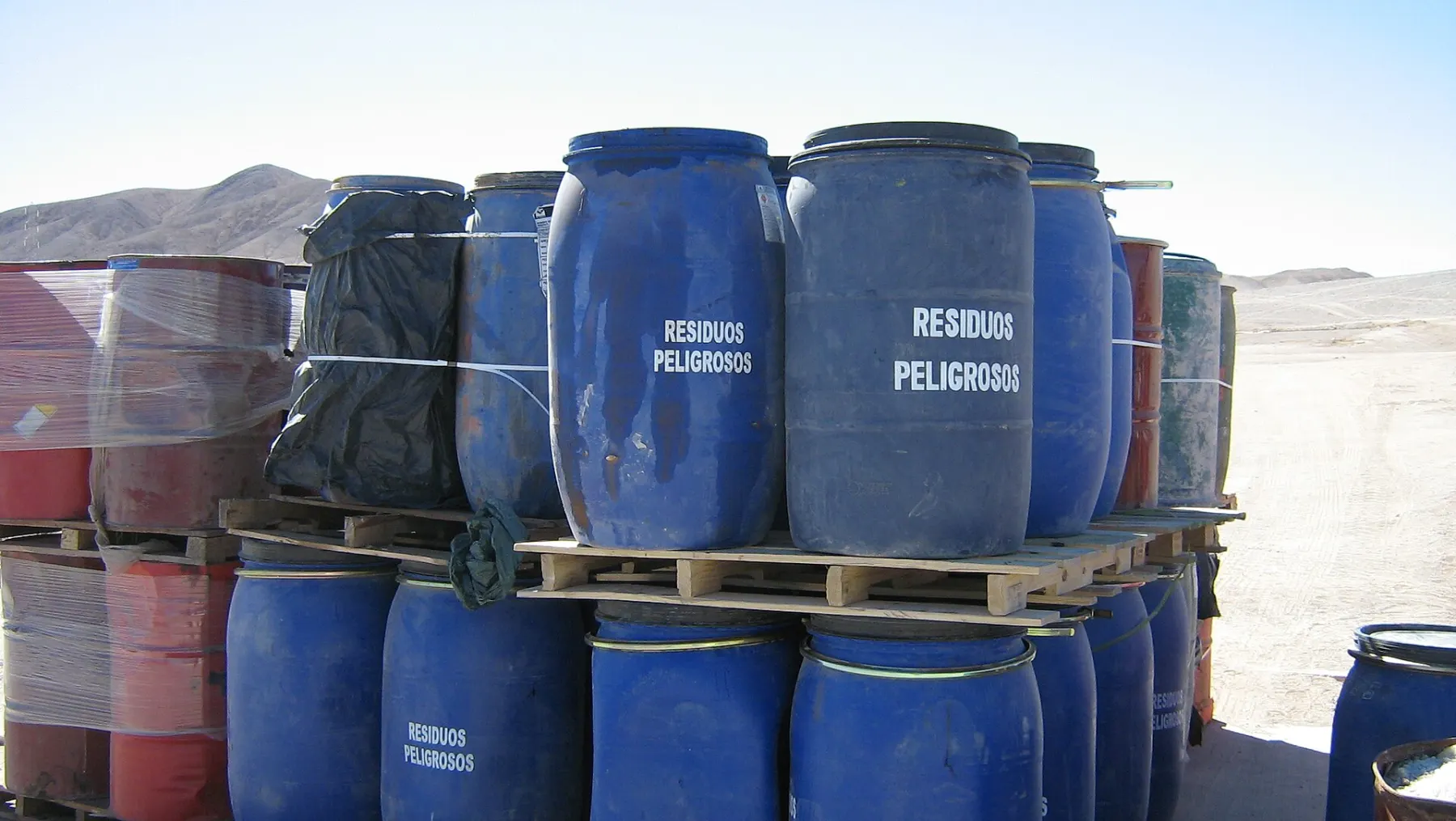
Hazardous waste classification is one of the most consequential decisions in an oilfield waste programme, because it determines how a material is stored, who may transport it, where it can be treated and what records must exist. This article explains how hazardous and non-hazardous oilfield waste are distinguished, what testing contributes, why mixing streams is costly, and what follows in practice once a waste has been classified.
What drives hazardous waste classification
In general terms, a waste is considered hazardous when it has properties that could harm people or the environment if it is not managed with care. Common characteristics include toxicity, flammability, corrosivity, reactivity and the presence of persistent or bioaccumulating substances. In oilfield settings, hydrocarbons, heavy metals, high salinity, strong acids or alkalis, and certain chemical additives are the usual reasons a stream falls into the hazardous category.
The key point is that hazard comes from the properties of the waste, not from its origin alone. Two drums from the same rig can be classified differently. The exact criteria and any lists used are set out in applicable regulations, so operators should confirm the current requirements with NEMA rather than rely on rules of thumb.
Starting with knowledge of the source
Before any sample is taken, a lot can be learned from the process that created the waste. Safety data sheets for drilling chemicals, the fluid system in use, the formation drilled and the equipment involved all point toward likely contaminants. A simple generator profile, recording what the waste is, how it was produced and what it may contain, becomes the foundation for everything that follows.
This process knowledge guides the choice of laboratory tests and helps spot surprises, such as a cleaning solvent that entered a sludge tank. The wider approach is described in waste characterisation: why it always comes first.
The role of laboratory testing
Testing turns assumptions into evidence. Depending on the waste, laboratories may measure hydrocarbon content, metals, pH, salinity, flash point and the leachability of contaminants, which indicates how readily they could move into water. Results are compared with the criteria that apply.
Quality matters here. Samples need to be representative, collected with clean equipment, labelled and kept under suitable conditions until analysis. Results are also only as dependable as the laboratory that produced them, which is why many operators look for laboratories working under recognised quality standards. White Nile Consults is ISO/IEC 17025:2017 certified, and further detail on our certifications is available.
Why mixing waste streams is costly
Mixing is tempting on a busy site, but it rarely pays. A small amount of hazardous material added to a large volume of benign waste can make the whole load hazardous, with higher treatment costs, tighter transport conditions and fewer disposal options. It can also make characterisation harder, since the blend no longer matches any single source.
- Keep hazardous and non-hazardous streams in separate, labelled containers.
- Do not top up a sludge tank with unrelated liquids.
- Store incompatible wastes apart so they cannot react.
- Label every container with contents, date and generator.
- Keep a simple log of what went into each container.
What follows hazardous waste classification
Classification sets the handling rules. Hazardous waste normally calls for stricter containment, trained personnel, suitable personal protective equipment, documented transport and treatment at a facility licensed for that purpose. Non-hazardous waste still needs responsible management but generally offers more routes, including recycling and reuse.
Documentation follows the waste. Each transfer should be recorded so that anyone reviewing the file can trace the material from generation to its final destination, a theme developed in waste tracking and documentation.
Common classification pitfalls
Several mistakes recur on oilfield sites. One is classifying by appearance: a dry, grey cuttings pile may look harmless yet carry hydrocarbons or salts, while a dark, oily-looking material may test within acceptable limits. Another is relying on an old result after the process has changed, for instance when a new fluid system or additive has been introduced. A third is sampling only the surface of a pit or stockpile, which misses layers that differ. Finally, some teams classify a waste once and never revisit it. Written procedures that name who reviews classifications, and when, close this gap. A simple rule helps: any change in process, source or chemistry is a reason to review the classification.
Treatment can change a waste's character, so a final classification belongs after it, not before. Treatment can change a waste's character. Bioremediation may lower hydrocarbon concentrations, and solidification and stabilisation may reduce leachability. Whether the treated material can then be handled differently should always be confirmed by testing and, where required, agreed with the regulator, never assumed by the contractor or the generator.
Keeping this reasoning on file, alongside test reports, means the decision can be explained to an auditor long after the people involved have moved on.
Final thoughts
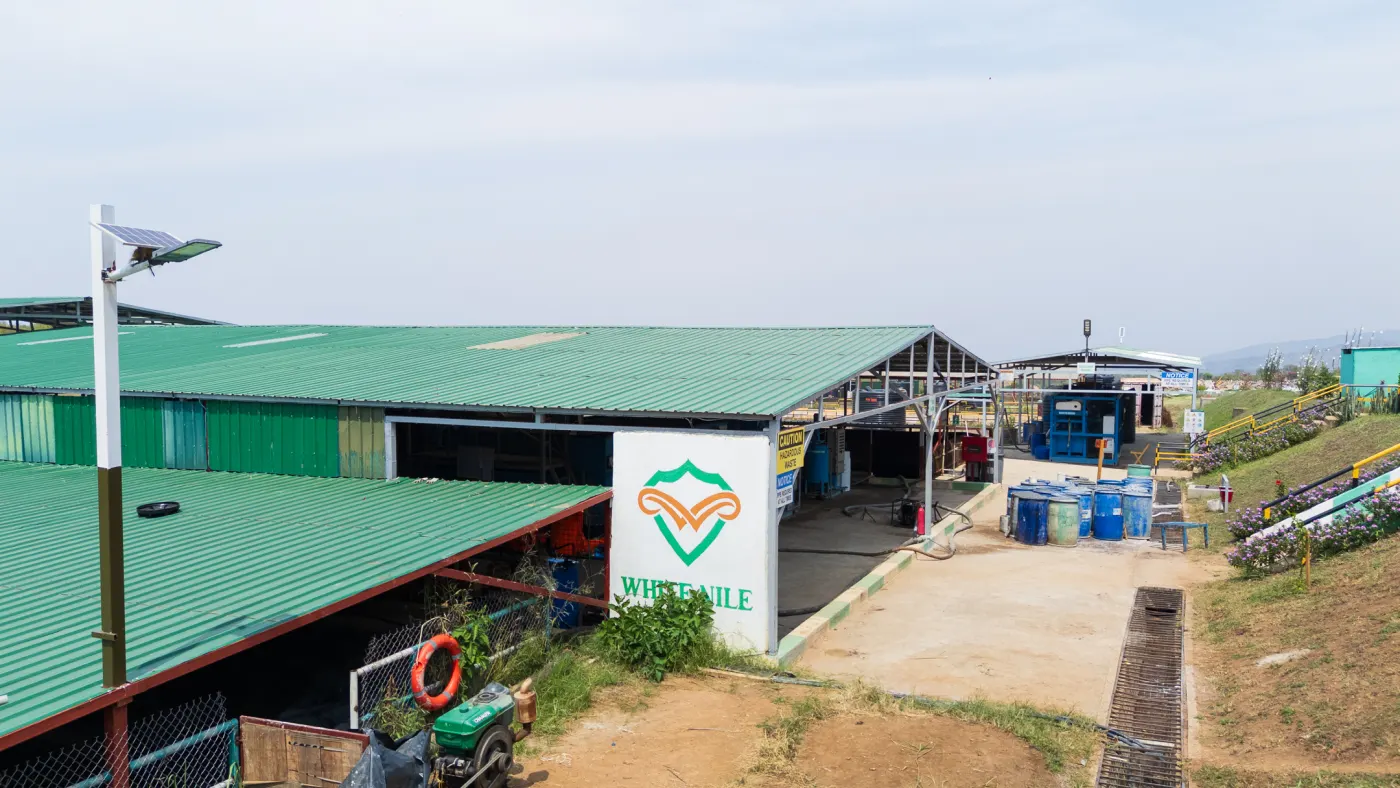
Responsible operators classify on evidence, segregate from the first day and keep the reasoning on file. White Nile Consults holds a full NEMA licence (No. WT97/2024, renewed annually) to own and operate a hazardous waste treatment and disposal site, and selects treatment according to waste type and risk. If you have a stream you are unsure how to classify, please contact the team to talk it through.
Comments
No comments yet. Be the first to share your thoughts.