

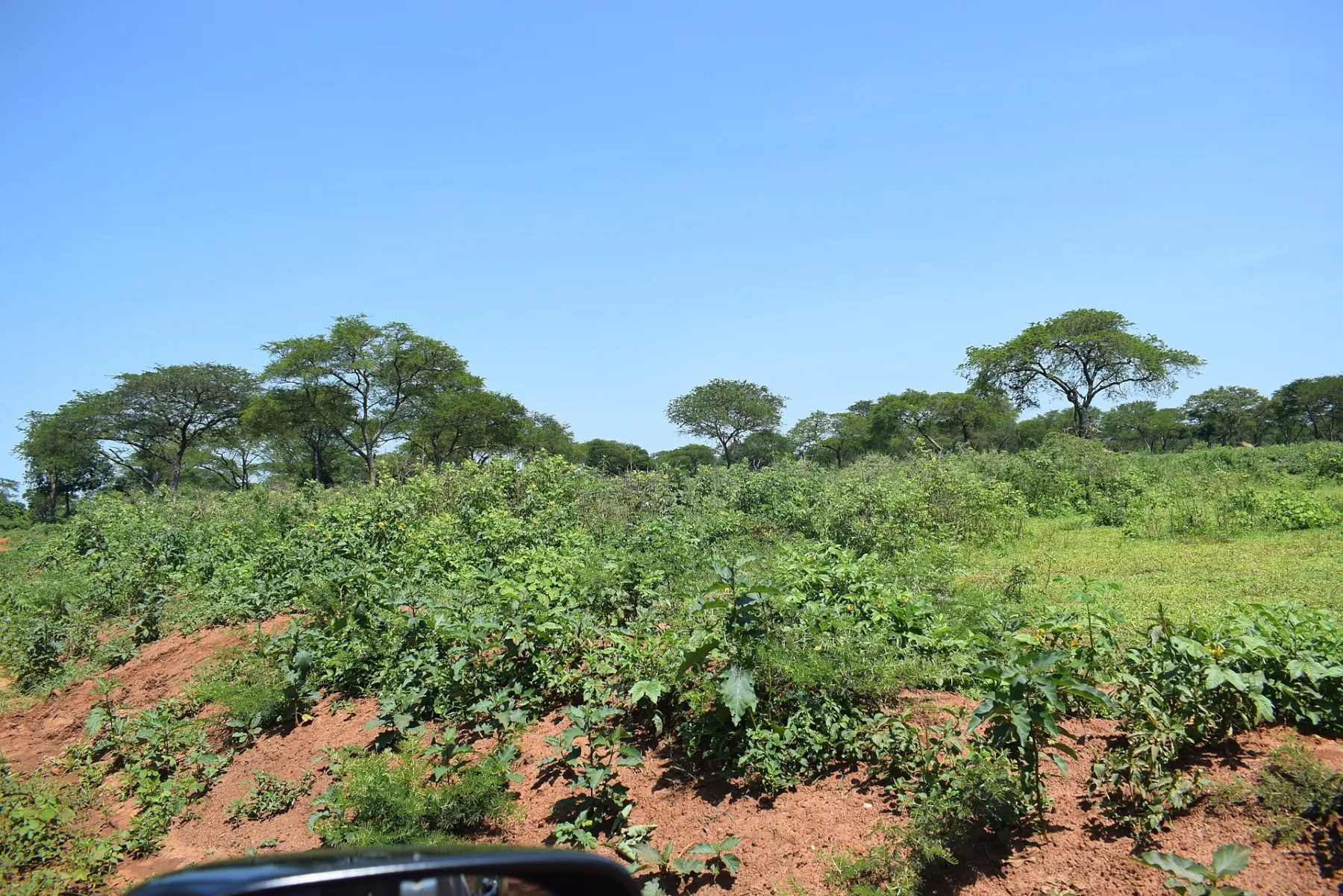
The Albertine Graben environment is among the most valuable and sensitive in East Africa, and it is also the setting for Uganda's oil and gas development. This article explains why the region needs particular care, what is at stake for water, wildlife and communities, and how responsible waste handling, from segregation on the pad to monitoring after treatment, helps protect it.
Why the Albertine Graben is sensitive
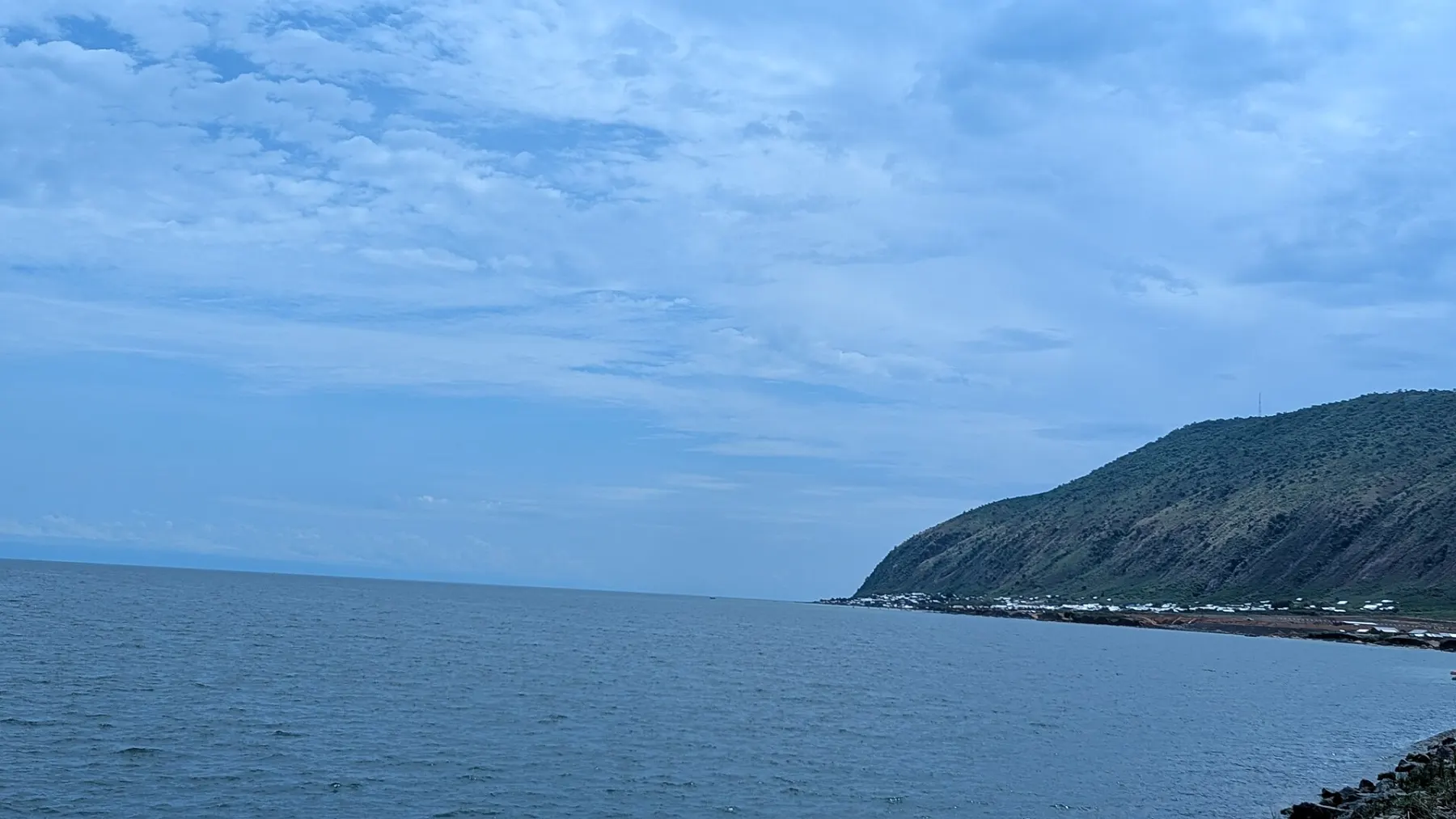
The Graben is part of the western arm of the East African Rift system. It holds large lakes, rivers that feed into the Nile system, wetlands, forest and protected areas that support a rich variety of wildlife. It is also home to farming and fishing communities whose livelihoods depend directly on clean water and productive land.
That combination means activities in one place can have consequences for another. Water moves downhill and underground; animals range across boundaries; people use the same rivers and springs that run past industrial sites. Any operator working here is therefore in a setting where the margin for error is smaller than in many industrial regions.
Water: the first thing to protect
Surface water and groundwater are the most exposed resources. Hydrocarbons, salts and chemicals released from storage areas, transport accidents or inadequate pits can move into streams and shallow aquifers. Rainfall intensifies the risk by washing contaminants across the ground.
Good practice here is layered. Keep waste on lined, bunded areas that can hold spills. Divert clean stormwater away from contaminated zones. Treat wastewater before any discharge, with the discharge itself covered by a permit and checked against its conditions. Monitor boreholes and nearby watercourses so that any change is detected early, a topic covered in monitoring groundwater near waste treatment sites.
Wildlife and habitat
Waste is not only a chemical issue for wildlife. Open pits can attract and trap animals, food waste draws scavengers into contact with people, and loose plastics and packaging spread across habitat. Roads and trucks add disturbance and collision risk.
Seasonal patterns also matter: the wet season raises run-off risk and may change animal movement, so storage and containment checks should be tightened accordingly. Operators in sensitive areas typically address this through covered or fenced containment, strict camp waste rules, prompt clearing of litter, and site layouts agreed during the environmental and social impact assessment. For background on that process, see ESIA explained for oil and gas projects in Uganda.
Land use and neighbours deserve the same attention as water and wildlife. People share this landscape, and they notice what happens on it. Concerns about smell, dust, noise, truck traffic and the fate of waste are reasonable and worth addressing early. A clear grievance channel, regular information-sharing and visible environmental monitoring help communities see that the operation is being run carefully.
Land use also matters. Treated materials, if they are ever applied to land, should meet agreed criteria. Sites should be closed and restored in a way that returns them to a safe and productive condition.
How waste handling protects the Albertine Graben environment
Several practical measures do most of the work.
- Characterise waste before moving it, so that the right treatment is chosen.
- Segregate at source to stop small hazards contaminating large volumes.
- Contain securely with lined, bunded and covered storage.
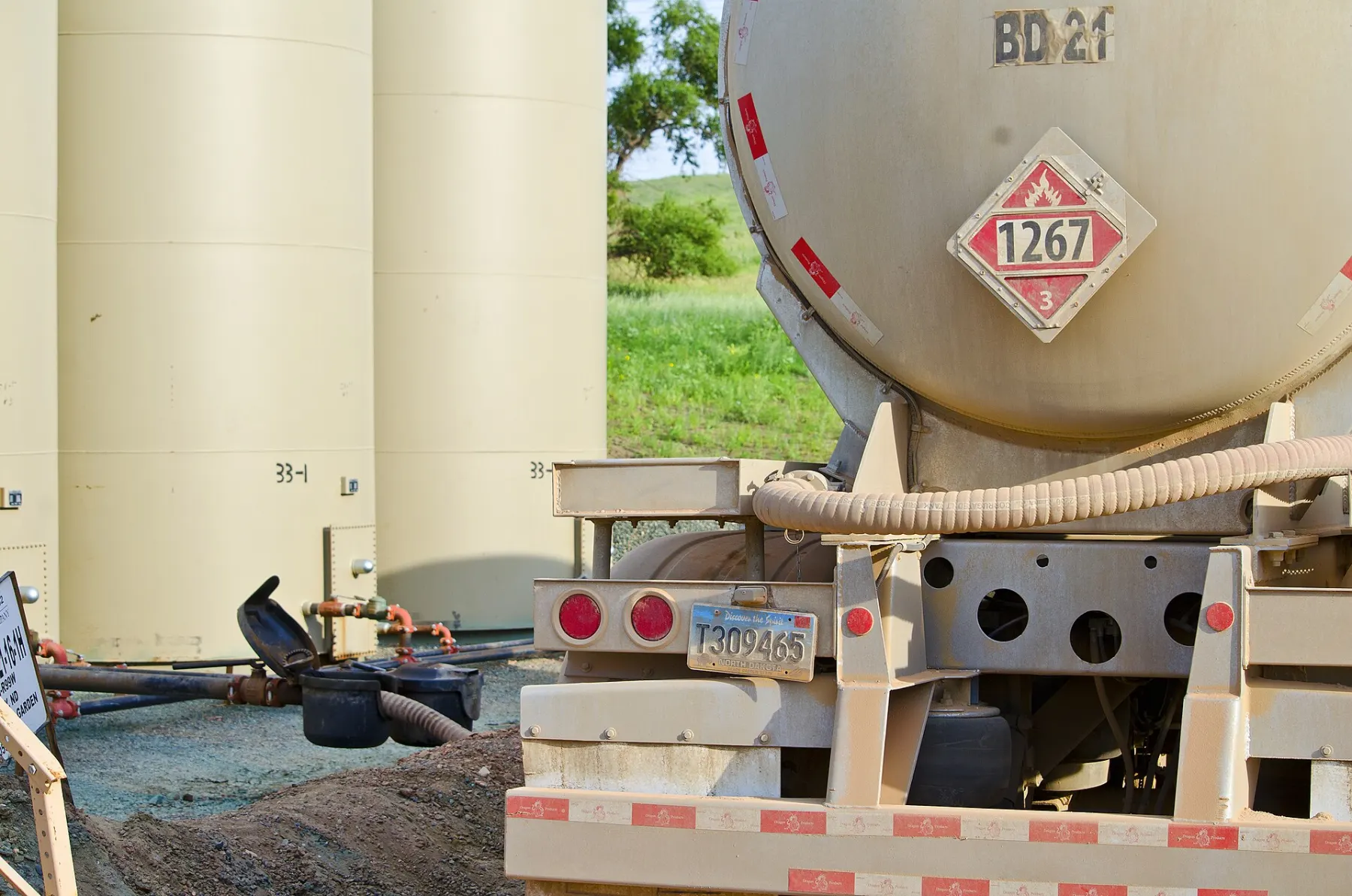
- Transport with documentation, using suitable vehicles and trained drivers, over routes that avoid sensitive areas where practicable.
- Treat locally and thoroughly, with methods suited to each stream.
- Recover and reuse before disposal, lowering the volume that needs final placement.
- Monitor and record, so that performance can be demonstrated.
Local treatment capacity in the Graben
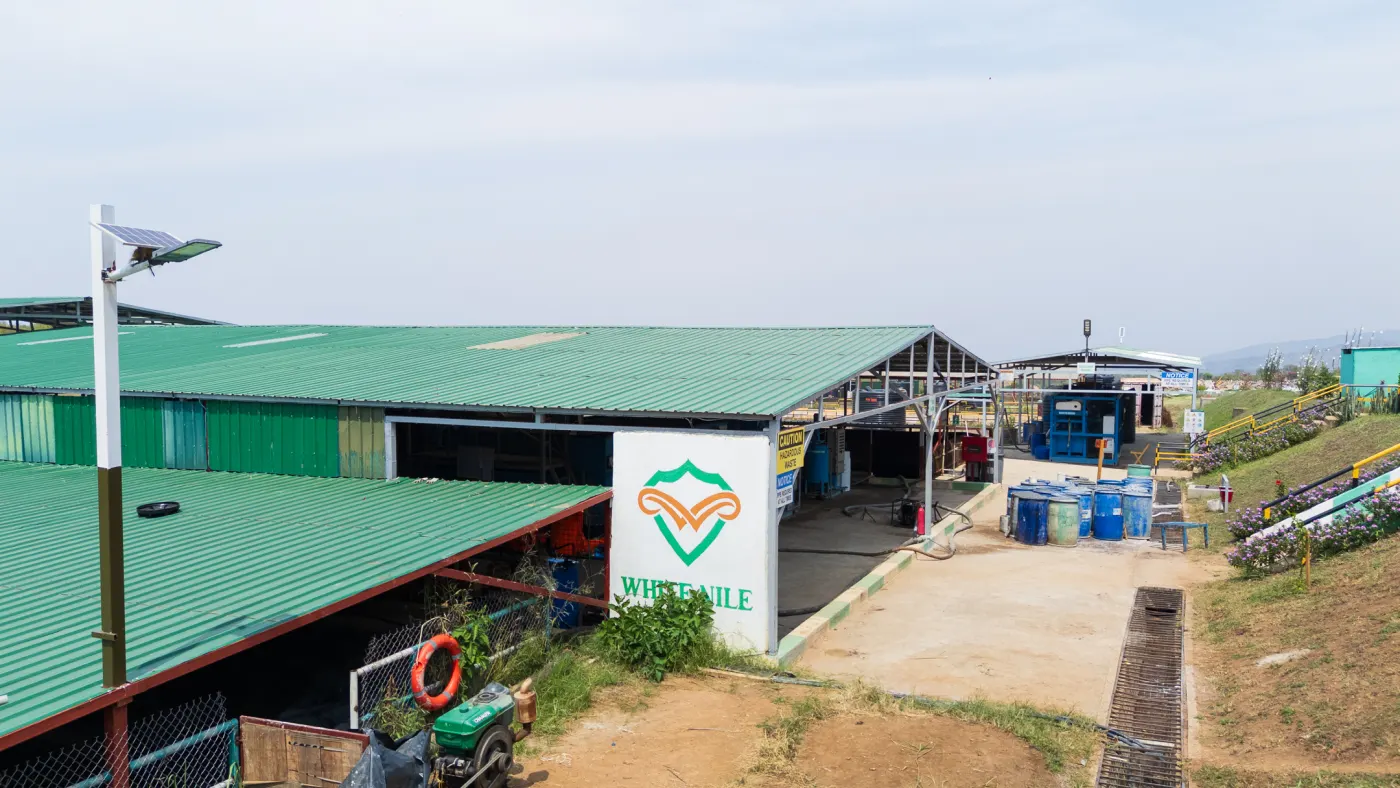
Treating waste inside the region shortens transport legs, which reduces road-accident and spill risk, and allows closer oversight. White Nile Consults owns and operates a 110-acre waste treatment facility in Kikuube District in the Albertine Graben, licensed by NEMA (licence No. WT97/2024, renewed annually) as a hazardous waste treatment and disposal site, and holds an ESIA certificate (NEMA/EIA/4275). More on our certifications is available. Its waste water treatment and disposal service includes on-site wastewater treatment with a 20 m3/h MBR system.
Closure and restoration
Protection does not end when waste has been treated. Pits, pads and temporary storage areas need to be closed in an orderly way: residual material removed or treated, soil tested where contamination is suspected, surfaces regraded and vegetation re-established with suitable local species. Records of what was done, together with monitoring results, help demonstrate that land has been returned to a safe condition. Planning for closure at the start of a project, rather than at its end, makes the work cheaper and the outcome better, and it fits naturally with commitments made in the environmental and social impact assessment.
Taken together, these measures mean that the environment is protected by routine habits, not by reaction after an incident, which is the standard the region deserves.
Final thoughts
Responsible operators treat the Albertine Graben as a place they must leave in good order, not simply a place of work. That means planning for waste before drilling begins, choosing licensed partners, monitoring results and being open with neighbours. If you are planning activity in the region and want to discuss waste handling, please contact the team.
Comments
No comments yet. Be the first to share your thoughts.