

Every drum, tank load and skip of waste leaving an oil and gas site has a history, and the oilfield waste life cycle describes it from the moment waste is generated to its final treatment or disposal. This article follows that path stage by stage, explaining what should happen, what can go wrong and what records should exist, so that HSE leads and project managers can check their own programmes against it.
Stages one and two: generation, identification and segregation
The life cycle begins at the rig, well pad or production facility, where activity creates waste. The first job is simply to know what has been produced: which process created it, roughly how much, and what hazards it may carry. Safety data sheets for the chemicals involved and the operating records of the equipment give a good starting picture.
Early identification matters because every later decision depends on it. A waste that is mislabelled at the start tends to stay mislabelled until someone finds out the hard way. Classification at this stage is expanded in other articles on this site.
Once identified, waste moves to segregation and temporary storage. Segregation keeps incompatible or differently classified wastes apart. Containers should be suitable for the contents, clearly labelled and placed on impermeable, bunded surfaces away from drains and watercourses. Liquids need secondary containment; reactive or flammable materials need extra separation; and covers keep rain out.
Temporary storage is meant to be temporary. Waste that sits for months, in deteriorating containers, becomes a liability. Many operators set simple internal limits on storage time and check them during routine inspections.
Stage three: packaging, documentation and transport
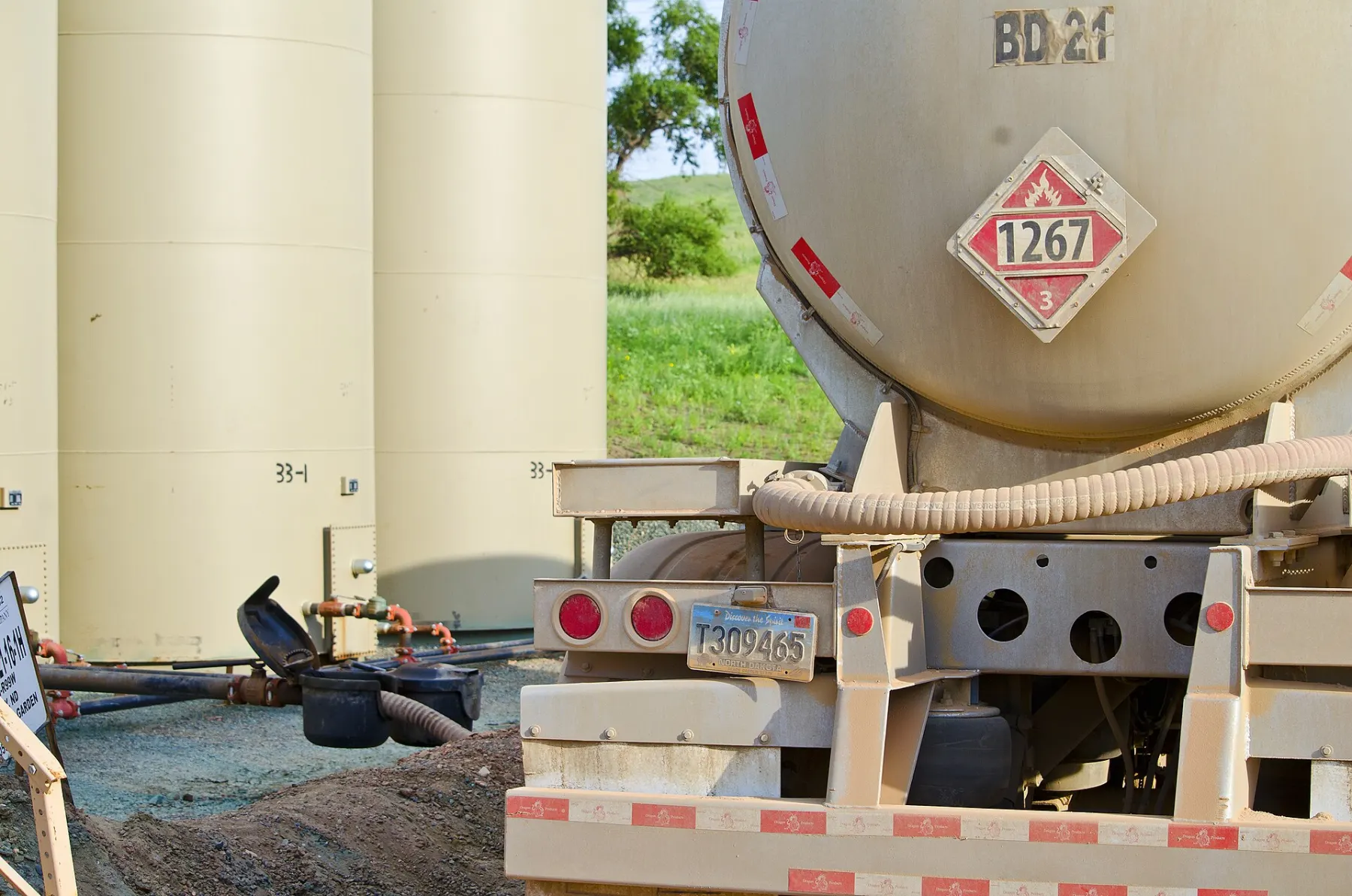
Before waste moves, it should be packaged for the journey, accompanied by documentation describing its contents and handed to a transporter authorised to carry it. Drivers should know what they carry and what to do in an emergency, and vehicles should be suitable for the load.
A consignment record normally notes the generator, waste description, quantity, vehicle, date and destination. Safe movement is covered more fully in safe transport and handling of hazardous waste.
Stage four: receiving and verification
At the treatment facility, the load is checked against its paperwork. Quantity, appearance and, where appropriate, quick tests are compared with the description supplied. A mismatch should trigger a hold and investigation, not unloading and hoping it is fine. Accepted waste is logged and directed to the right treatment area.
This stage is where the receiving facility's systems really matter: weighbridge or volume measurement, sampling procedures, trained staff and clear acceptance criteria.
Stage five: treatment
Treatment is chosen according to waste type and risk. Common routes include bioremediation for hydrocarbon-contaminated material, solidification and stabilisation for wastes needing physical stability and reduced leachability, physical separation to recover oil or water, and wastewater treatment before any discharge. The aim is to lower hazard, reduce volume and recover what can be reused.
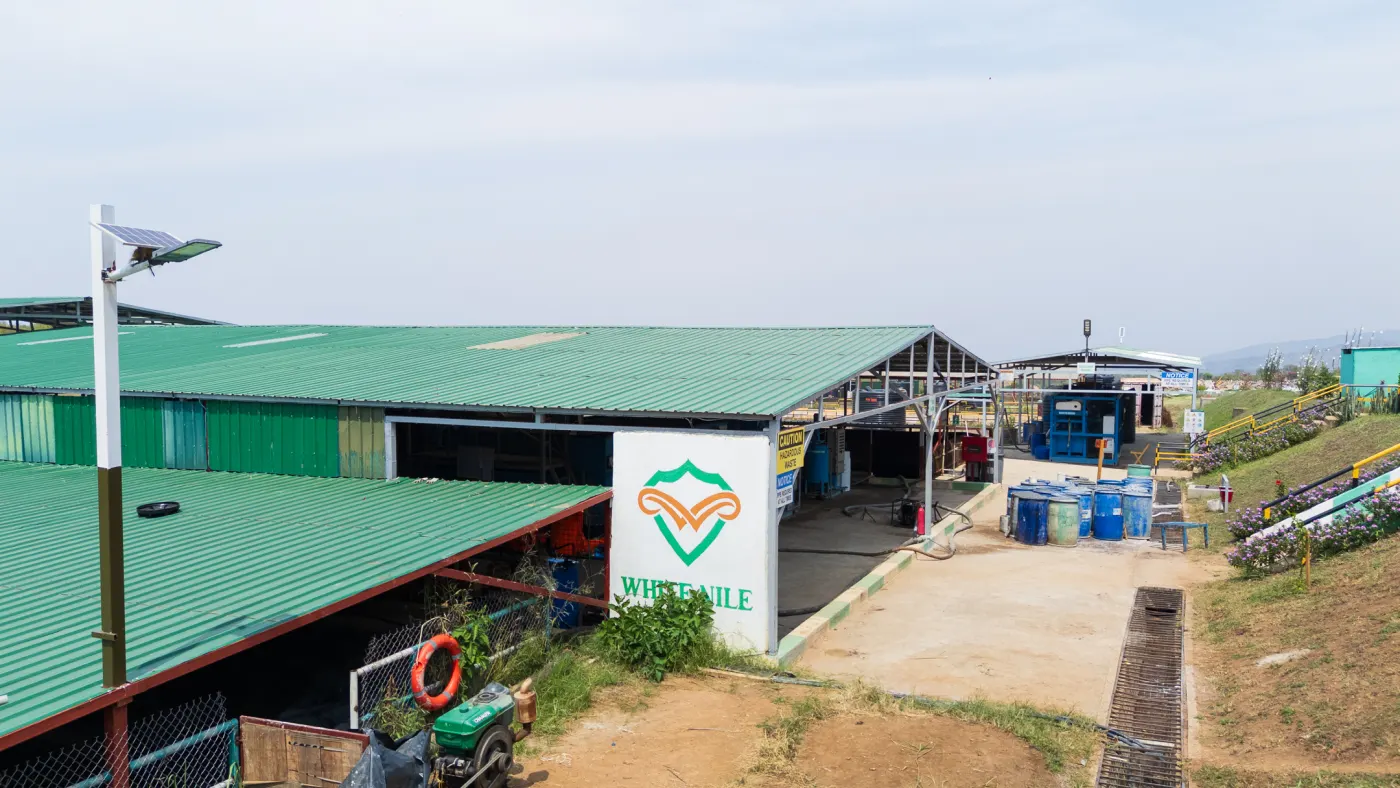
White Nile Consults applies these methods at its licensed facility in Kikuube District, through its solid waste treatment and disposal and waste water treatment and disposal services.
Stage six: closing the oilfield waste life cycle with verification, disposal and records
Treated material is tested to confirm that it meets the targets set for it. Only then is the final route confirmed: reuse where suitable, or disposal in a licensed facility. Treated water is checked against the conditions of its discharge permit.
The final record closes the loop, linking the original generation record to the treatment results and the final destination. Regulators and clients may ask to see that chain, and a clear file supports audits. See waste tracking and documentation for how to build one.
Checkpoints along the oilfield waste life cycle
- Is each waste stream identified and labelled at source?
- Are incompatible wastes stored apart, on contained surfaces?
- Does every consignment leave with complete documentation?
- Does the receiving facility check loads against that documentation?
- Is treatment matched to the waste and verified by testing?
- Can you trace any load from generation to final destination?
In practice, the weak points are predictable. Labels fade or are never applied, so containers lose their identity. Storage runs past its planned duration. Paperwork is completed after the truck has left, from memory. Receiving checks are skipped when a facility is busy. Treatment results are filed but never compared with the targets. Treating these as routine checks, not occasional audits, keeps the chain intact. A simple internal review that looks at one recent load from start to finish, asking at each stage what evidence exists, usually exposes these gaps within an hour and gives a clear list of improvements.
Good records at each stage also make it easier to answer questions from clients, auditors and regulators quickly and calmly, without reconstructing events after the fact.
Final thoughts
Responsible operators manage waste as a chain in which every link is owned and recorded, because a gap at any point weakens the whole. They also look for chances to shorten the chain by preventing and reusing before they treat and dispose. If you want to review how your own chain works, you are welcome to contact the team.

Comments
No comments yet. Be the first to share your thoughts.