

Drill cuttings treatment is not a single process but a set of options, and the right one depends on what the cuttings contain. Cuttings are the rock fragments brought to surface during drilling, coated with whatever mud system was used. They can be relatively benign or heavily contaminated with hydrocarbons, salts and metals. This article compares the main options (separation, bioremediation, solidification and stabilisation, and placement in an engineered disposal cell), explains how the choice follows characterisation, and sets out what operators should ask before cuttings leave the rig site.
Why drill cuttings treatment needs more than one option
Cuttings from a water-based mud system differ sharply from those produced with oil-based or synthetic-based fluids, and cuttings from different well sections differ again. Differences in moisture, hydrocarbon content, chloride level and metals mean that a method that works well on one batch may be unsuitable for another. A programme that relies on one technique for everything risks either over-treating simple material or under-treating difficult material.
Volume adds pressure. A drilling campaign can generate large quantities of cuttings, and the treatment route must be able to handle that flow without creating stockpiles that become their own hazard. The background on these materials is covered in drilling fluids and drill cuttings explained.
Characterisation drives drill cuttings treatment
The first step is laboratory analysis of representative samples. Typical measures include moisture, total hydrocarbons, salinity, pH and metals, and, where relevant, a leaching test to show what the material may release. Without this, a treatment choice is guesswork.
The results are compared with the requirements of the intended route. Material with low hydrocarbon content may be suitable for biological treatment, material with high salt or metal content may need binding, and material that is heavily oiled may need separation first. The reasoning is described further in waste characterisation.
Separation and thermal desorption alternatives
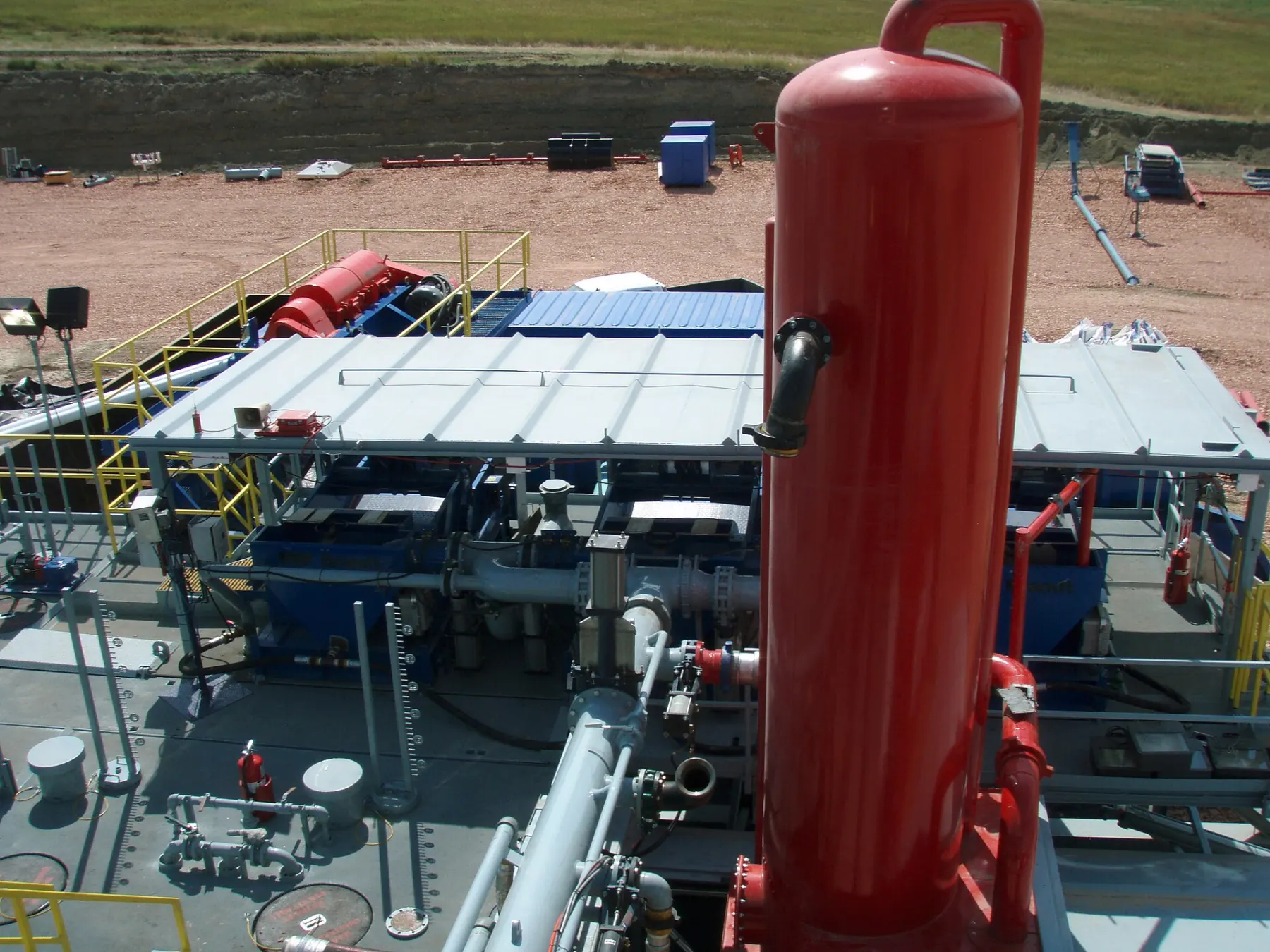
Where cuttings carry recoverable fluid, physical separation can remove it: shakers, centrifuges and similar solids control equipment reduce the liquid content and return fluid to the system. This lowers volume and reduces the contamination that has to be treated later. Separation is therefore frequently a first step rather than a complete answer.
Other technologies, including thermal methods, exist for heavily contaminated cuttings, but they carry their own approval and emissions requirements and should be considered only after lower-risk options have been assessed.
Bioremediation
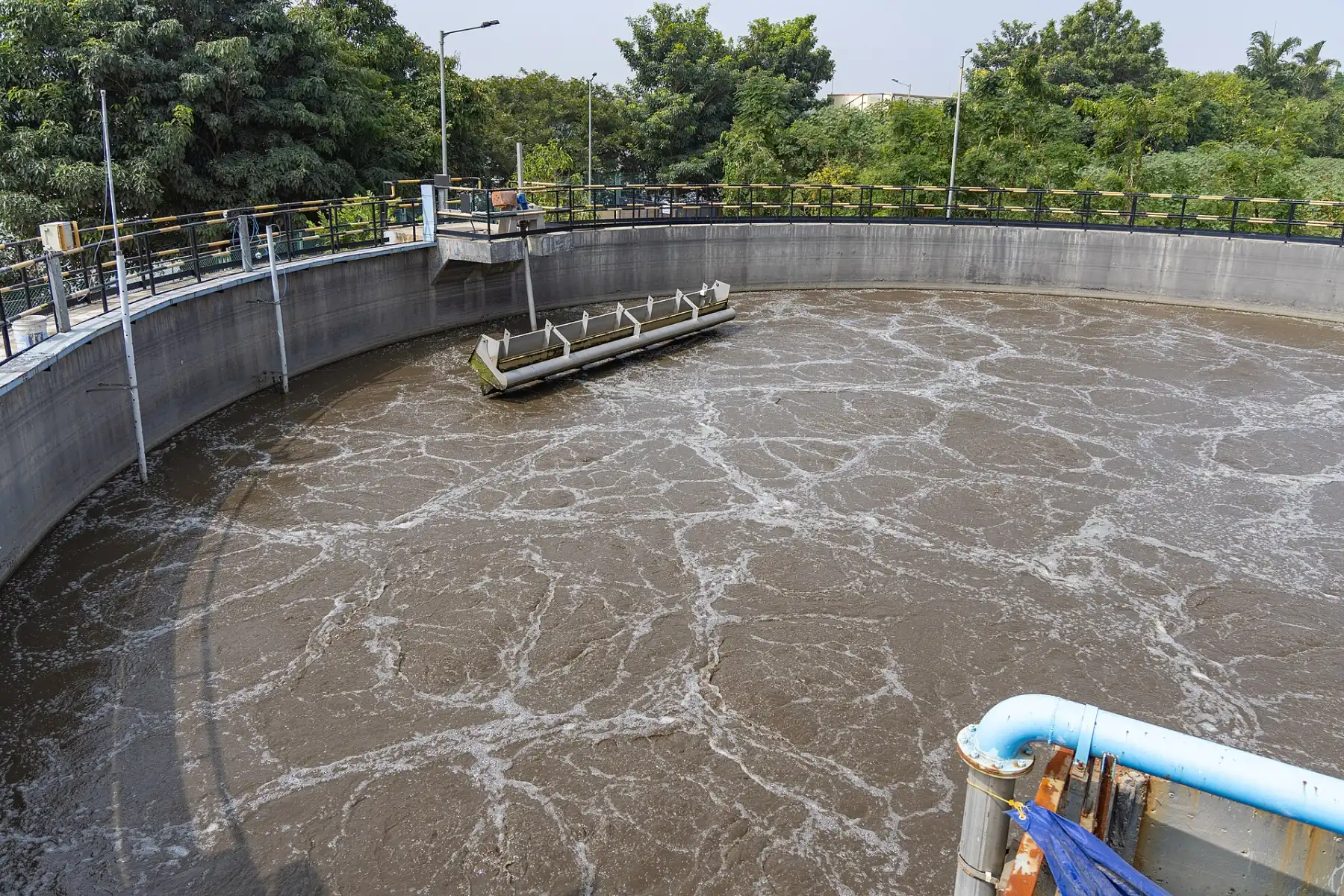
Bioremediation uses naturally occurring microorganisms to break down hydrocarbons in the cuttings. It is typically managed in a lined treatment area where moisture, nutrients, aeration and temperature are controlled and monitored. It suits material with biodegradable hydrocarbon content and without high levels of toxic salts or metals, and it works over weeks to months rather than days.
Its advantages are that it can reduce hydrocarbon content rather than simply immobilise it, and that the treated material may, with approval, be suitable for further use. Limits include the time it needs, the space required and sensitivity to salinity. The choice between treating on site or elsewhere is discussed in in-situ versus ex-situ bioremediation.
Solidification and stabilisation
Where contaminants cannot be removed economically, solidification and stabilisation binds them. A binder is mixed with the cuttings to produce a solid, less leachable material, which is then tested before placement. It handles salts and some metals better than biological treatment, and it works faster, though it does not destroy hydrocarbons. Verification matters, and the testing approach is described in how solidification and stabilisation is tested.
Combinations are common in practice. A programme might recover fluid by separation, treat the oiled solids biologically to bring hydrocarbons down, and then bind the remainder to deal with residual salts before placement. Sequencing the methods this way lets each one do what it does best, and it avoids forcing a single technique to solve every problem. Each step should still have its own verification, so that a problem is caught where it arises and not at the final disposal gate, where the cost of correction is highest.
Engineered disposal and acceptance
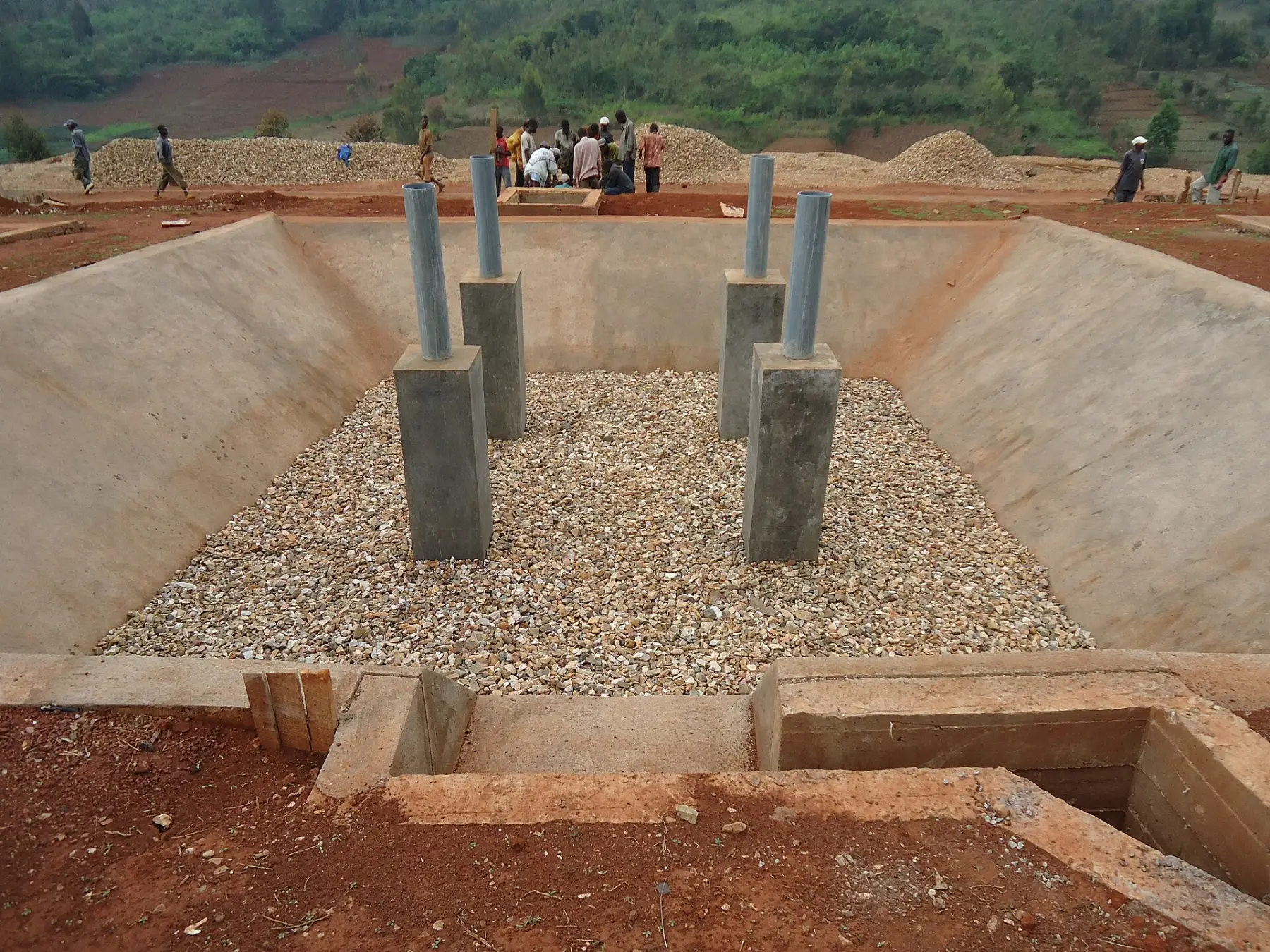
Final placement should be in a licensed, engineered facility, and only material that meets the facility's acceptance criteria should go there. Placement is the last step, not the first, and operators should confirm current acceptance requirements with NEMA and the facility before sending waste.
When comparing options, it helps to use a short checklist:
- What are the hydrocarbon, salinity and metals results
- Can fluid be recovered before treatment
- Is the material suited to biological treatment, and is there time and space
- Does it need binding to meet leaching criteria
- Which approved destination will receive the residue
- What evidence will show that the final material meets criteria
Final thoughts
Responsible operators let the data choose the method, not habit or convenience. White Nile Consults owns and operates a 110-acre treatment facility in Kikuube District that can process up to 1,000 tons of drill cuttings daily, and applies bioremediation, solidification and stabilisation and licensed treatment and disposal methods according to waste type and risk. You can read more on the solid waste treatment and disposal service page. For help comparing routes for a specific well programme, please contact the team.
Comments
No comments yet. Be the first to share your thoughts.