

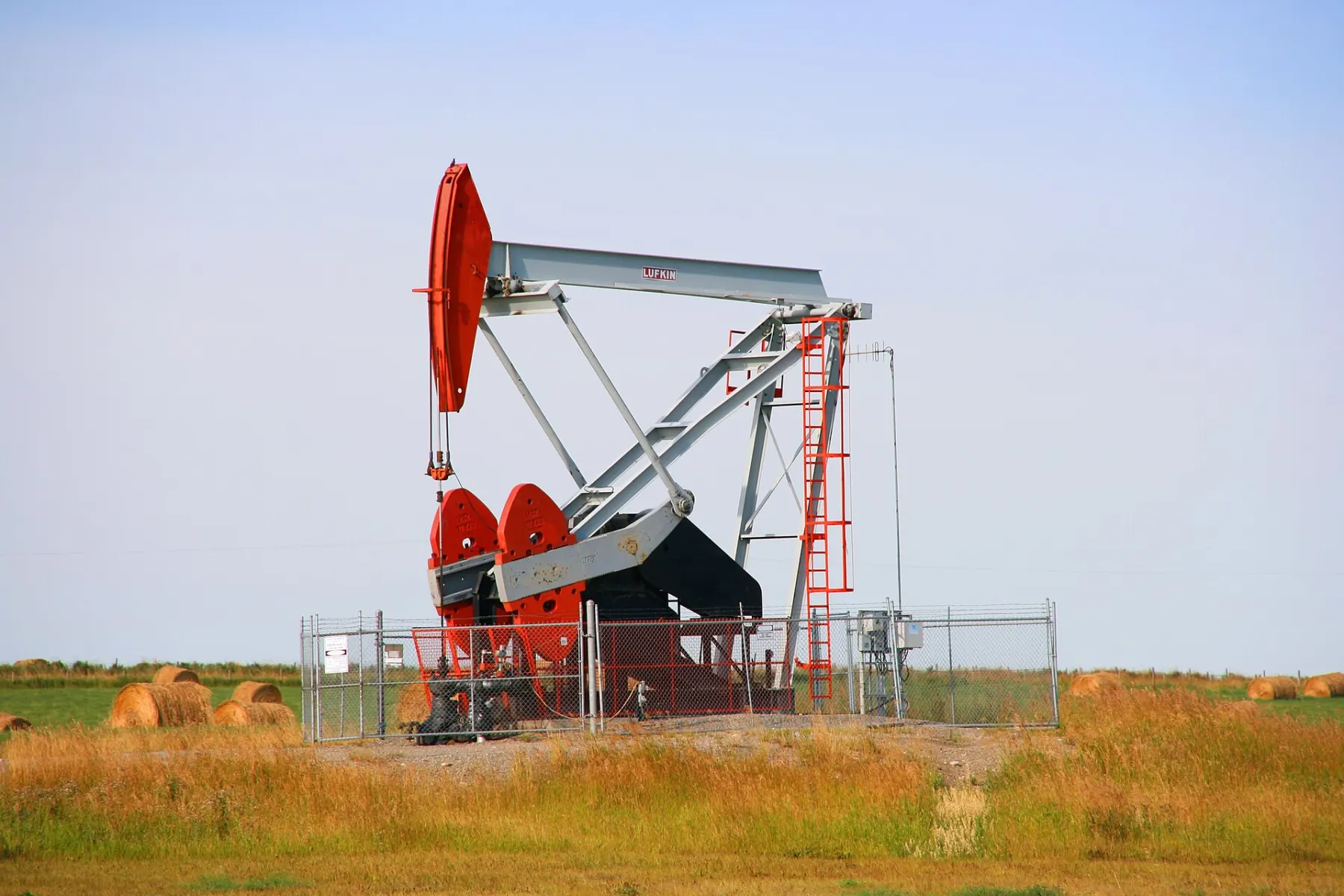
Oilfield waste management is the planned handling of every waste stream created while finding, drilling, producing and decommissioning oil and gas wells, from the moment material leaves the rig to its final treatment, reuse or disposal. This guide explains what the term covers, why upstream operations generate so much waste, the main stages of a sound waste programme, and who carries responsibility at each step, with a focus on the Ugandan setting.
What oilfield waste management actually covers
The phrase is broader than "getting rid of waste". It includes identifying what has been generated, classifying it by risk, storing it safely on site, moving it under control, treating it so that it is less harmful, recovering whatever can be reused, and disposing of the remainder in a licensed and documented way.
It also covers the paperwork. A waste programme that cannot show where a load came from, what it contained and what became of it is difficult to defend in front of a regulator, a client or a neighbouring community. For that reason, experienced teams treat records as part of the treatment process rather than an administrative afterthought.
Why oil and gas operations generate waste
Upstream work moves a lot of material. Drilling a well produces rock fragments (drill cuttings) and uses fluids to cool the bit, carry cuttings to surface and keep the well under control. Those fluids and cuttings leave the hole mixed together and need processing. Production adds water that comes up with the oil, and maintenance adds oily sludge, used filters, contaminated soil, chemical containers and general camp waste.
The volumes and character of each stream depend on the well design, the drilling fluid system, the formation and the stage of the project. That is why a single operator can have very different waste profiles from one pad to the next. A blanket approach rarely works; the programme has to follow the waste in front of you. Our article on the types of oilfield waste describes the main categories in more detail.
The core steps of a sound waste programme
Most well-run programmes follow the same logical sequence, whatever the operator or location.
- Characterise the waste: establish what it is, where it came from and whether it is hazardous, usually supported by laboratory testing.
- Segregate at source: keep streams apart so that a small volume of hazardous material does not contaminate a large volume of benign waste.
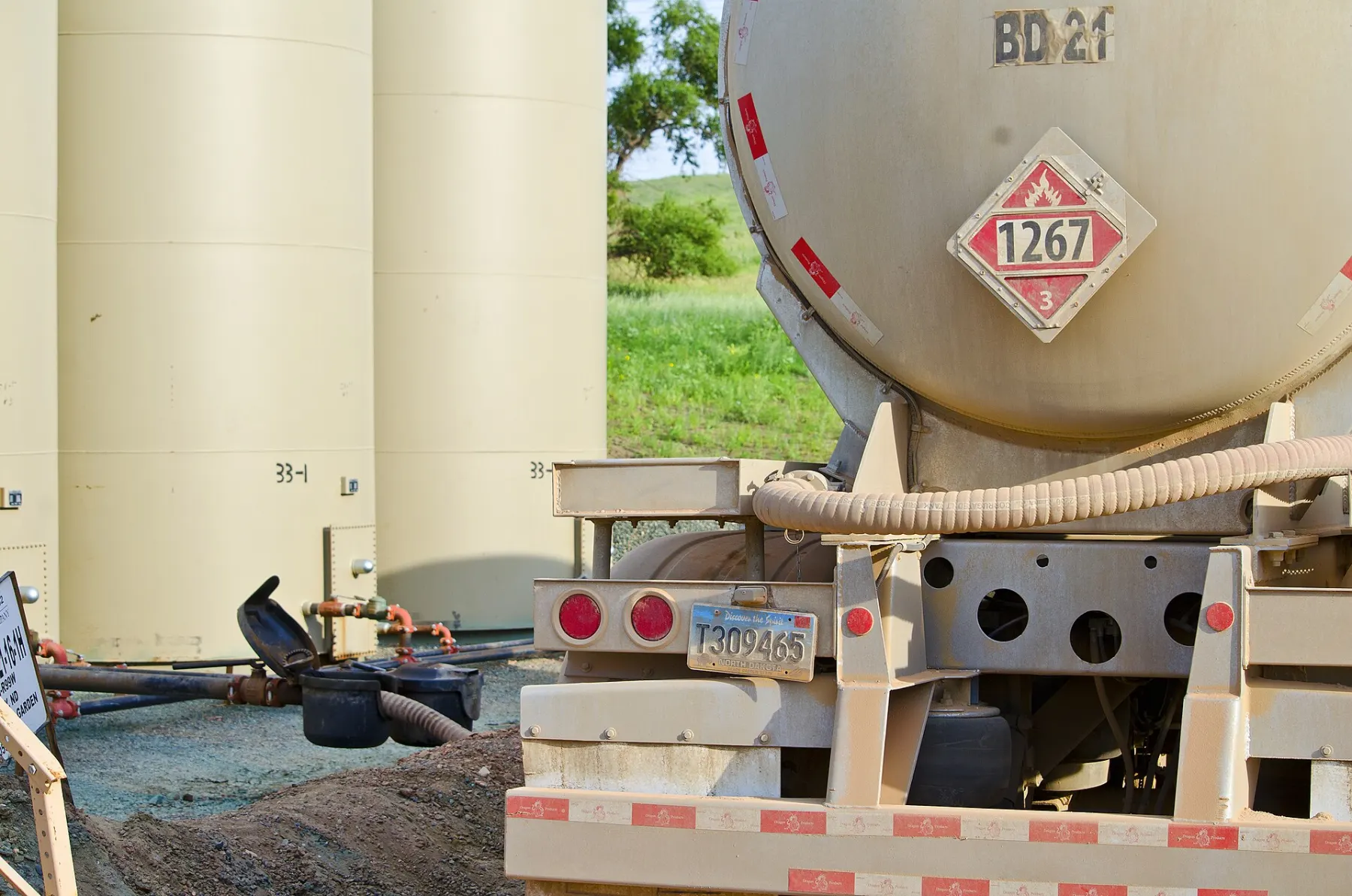
- Store and transport safely: use suitable containment, labelling and documented, authorised transport.
- Treat: apply a method suited to the waste, such as bioremediation, solidification and stabilisation, physical separation or water treatment.
- Recover and reuse where possible: reclaim fluids, water, soil or materials before considering disposal.
- Dispose of what remains in a licensed facility and keep the records.
Responsible operators apply these steps in a preferred order, often described as the waste management hierarchy, in which prevention and reuse come before treatment and disposal.
Treatment and disposal: matching method to waste
No single technology handles every stream. Oily sludge and hydrocarbon-contaminated soil often respond to biological treatment. Wet, high-moisture wastes may need solidification and stabilisation so that contaminants are bound and the material is physically stable. Wastewater needs its own treatment train before any discharge, and discharge generally requires an appropriate permit. White Nile Consults organises this work under its waste water treatment and disposal and solid waste treatment and disposal services, selecting methods according to waste type and risk.
The right choice depends on the waste stream and site conditions. Soil type, climate, available space, the sensitivity of nearby water and the end use of the treated material all influence what is practical.
Who is responsible
Responsibility does not stop at the rig gate. In general, the organisation that generates a waste remains accountable for it, even when a contractor transports or treats it. That is why operators look carefully at the licences, systems and track record of anyone they hire, and why a contractor holding the right authorisations matters. Operators should confirm current requirements with the regulator, since obligations under the National Environment Act and related regulations administered by NEMA, together with the expectations of the Petroleum Authority of Uganda, can be updated.
Contractors carry their own duties: operating within their licence, treating waste as agreed, protecting workers and recording what they receive and release. Where both sides keep clear records and talk openly, problems tend to be found early rather than during an audit.
Oilfield waste management in the Ugandan context
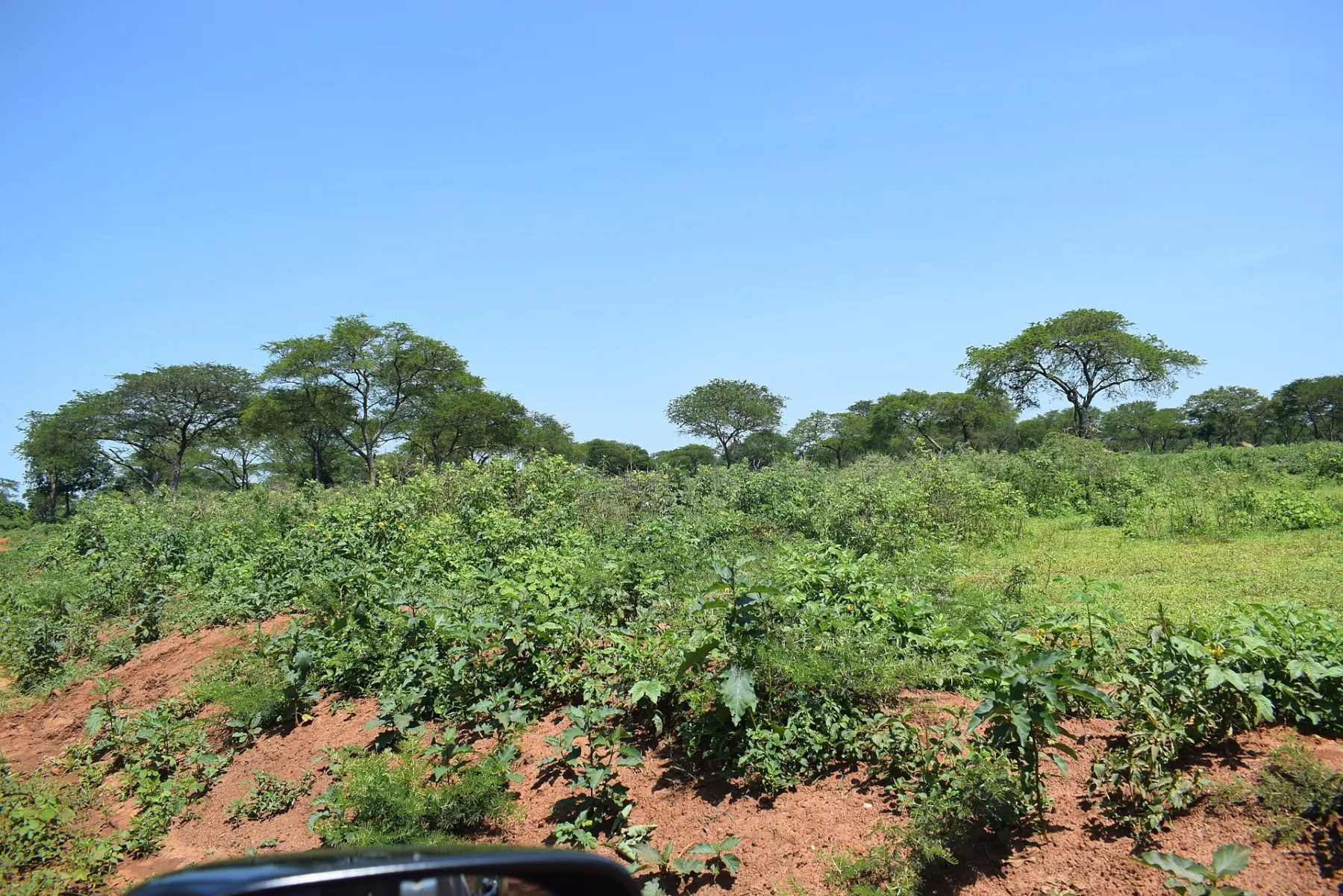
Uganda's oil and gas activity is concentrated in the Albertine Graben, an area of high ecological and social value, with lakes, rivers, wetlands, farms and settlements close to operations. That proximity raises the standard expected of waste handling and makes local, licensed treatment capacity valuable, because it shortens transport distances and keeps skills and jobs in the region. The reasons this matters go beyond compliance: they include protecting water, keeping neighbours informed and supporting local employment.
Final thoughts
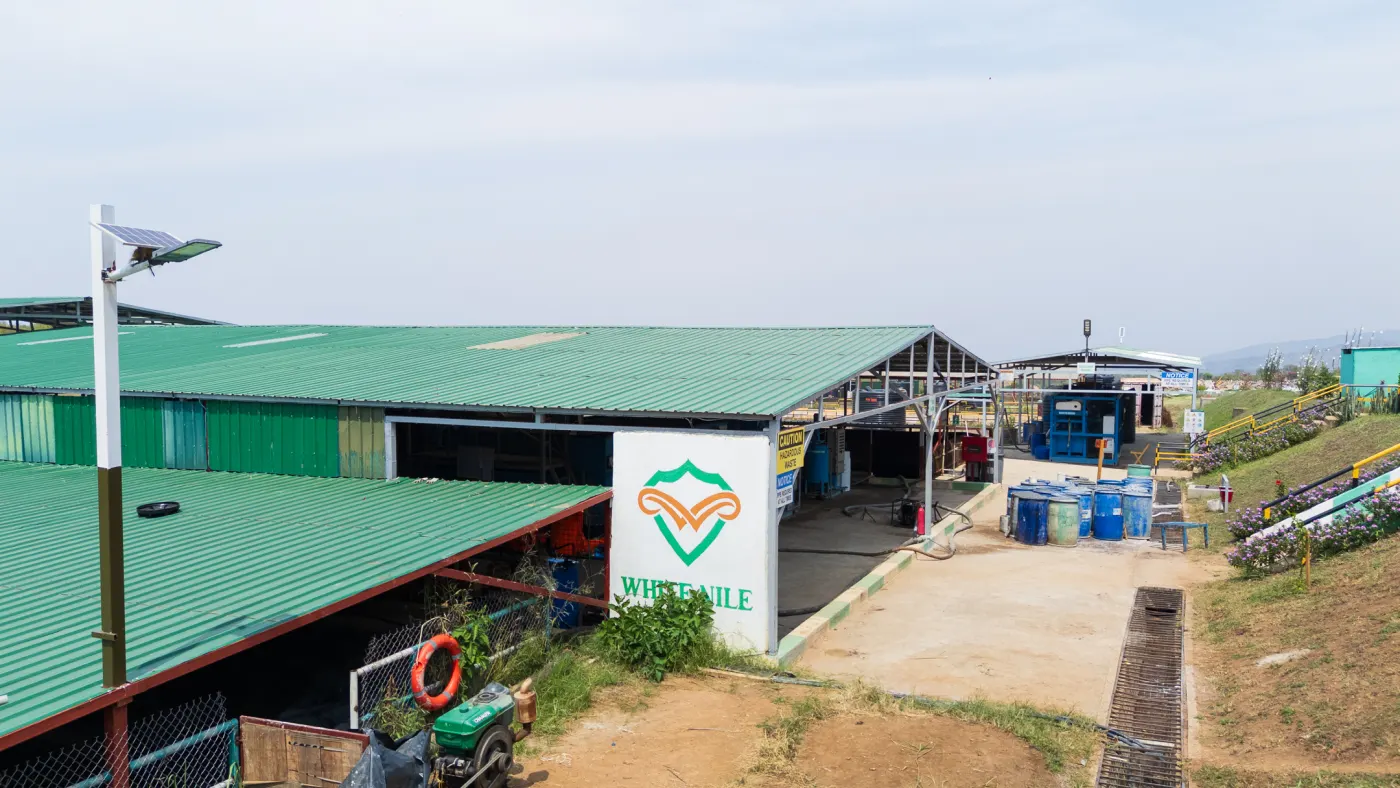
Responsible operators treat waste as a managed process with owners, procedures and evidence at every stage, rather than a problem to be moved elsewhere. They characterise first, segregate early, choose treatment to suit the waste and record everything. White Nile Consults has operated as a specialised environmental and oilfield waste company since 2012 and runs its own licensed treatment site in Kikuube District. If you are planning a project and want to talk through your waste streams, you are welcome to contact the team.
Comments
No comments yet. Be the first to share your thoughts.