

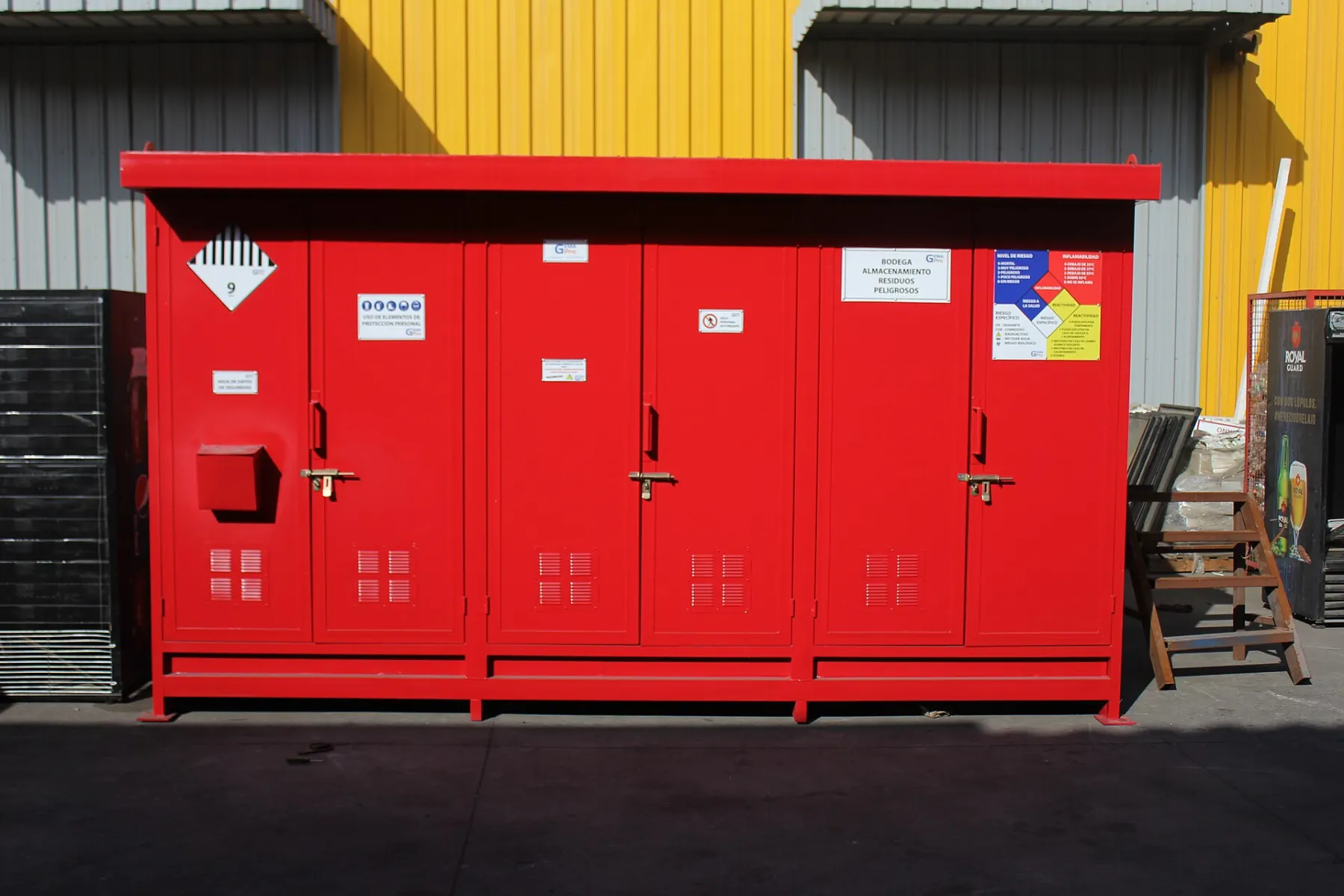
Anyone who produces, transports or treats hazardous waste in Uganda will sooner or later ask about the NEMA licence for waste treatment and disposal sites. This article explains, in general terms, what NEMA licensing means for waste treatment and disposal sites, what a licence typically covers, why renewal matters and what a project manager should check before sending waste to a facility. It is a practical overview, not legal advice, and operators should always confirm current requirements directly with the regulator.
What NEMA does and why a licence is needed
The National Environment Management Authority (NEMA) is the body responsible for regulating environmental matters in Uganda under the National Environment Act and related regulations. Among other things, it oversees the handling of hazardous waste. A site that treats or disposes of hazardous waste is carrying out an activity that can harm soil, water and people if done badly, so it is expected to be licensed rather than simply to operate on good intentions.
For operators in the oil and gas sector, this has a direct consequence. Waste that leaves a rig or well pad does not stop being the producer's responsibility when it is loaded on a truck. Sending it to an unlicensed site exposes the producer to regulatory and reputational risk. Checking the NEMA licence for waste of any receiving facility is therefore a basic part of due diligence.
What a waste treatment site licence typically covers
Licence terms vary, and the document itself is the authority, but a licence for a hazardous waste treatment and disposal site generally deals with the following:
- The named operator and the location of the site.
- The activities permitted, such as treatment, storage and disposal.
- The categories of waste that may be received.
- Conditions on site design, containment and management.
- Monitoring, record keeping and reporting obligations.
- The period of validity and the process for renewal.
A licence is not a blanket permission. If a waste type is not covered, or a treatment method is not authorised, the site should not accept or apply it. Producers should read the scope, not just note that a licence exists. It is also worth asking how the operator checks incoming loads against that scope, since a licence only protects you if the site actually applies its terms at the gate. A facility that can explain how it accepts, rejects or redirects a load is usually one that takes its conditions seriously, and that is exactly the kind of answer a project manager should be listening for.
How the licence relates to the ESIA and other permits
Licensing does not stand alone. A treatment facility is normally preceded by an environmental and social impact assessment, and its operation may also depend on separate approvals such as a waste water discharge permit. These documents support one another. The ESIA sets out the predicted impacts and management measures, the licence authorises the activity, and the discharge permit governs what may leave the site as treated water. Our guides to ESIA for oil and gas projects and waste water discharge permits explain those pieces.
Why renewal and conditions matter
A licence is a living document. It is typically valid for a defined period and must be renewed, and the holder is expected to comply with its conditions throughout. For a producer, a lapsed or suspended licence at the receiving site can halt waste acceptance at short notice, which in turn can disrupt drilling or production activity.
For that reason, it is sensible to ask for the current licence at the start of a contract and again at each renewal point. Keep a copy in the project file, note the expiry in the contract calendar and ask the contractor to notify you of any changes in conditions or status.
What to check before sending waste to a licensed site
When reviewing a facility, a project manager or HSE lead can work through a short checklist:
- Is the licence in the name of the company you are contracting with?
- Is it current, and does the site name and location match the one you will use?
- Does the scope cover your waste streams and the treatment you expect?
- Are supporting documents available, such as the ESIA certificate, quality and environmental management certifications and any discharge permit?
- Can the operator show how waste is received, tracked and treated, and issue records for each load?
- Will the operator allow a site visit and audit?
Pairing this with a reliable record trail is equally important, since a valid licence means little if loads cannot be traced afterwards. If you are comparing facilities, the guide to choosing a licensed waste contractor goes further into verification.
Licensing at the White Nile Consults facility
White Nile Consults Limited holds NEMA licence No. WT97/2024 to own and operate a hazardous waste treatment and disposal site, renewed annually. The company also holds ESIA certificate NEMA/EIA/4275, UNBS certificate UNBS/LRS/0045 and waste water discharge permit KIK01/WP-23069/2024/NN, and these are listed on our certifications page. Clients are welcome to request copies as part of their own verification.
Final thoughts
In practice, the producers who avoid difficulty are those who ask early, read the documents and keep copies. Responsible operators treat licensing as the starting point of a relationship with a waste facility, not a box ticked once. They read the scope, confirm validity, watch renewal dates and keep their own records. If you would like to discuss how a licensed facility fits your project's waste plan, please contact the team.



Comments
No comments yet. Be the first to share your thoughts.