

Local content Uganda oil and gas policy expects the sector to create real opportunities for Ugandan people and businesses, and waste services are one of the practical places where that expectation can be met. This article explains what local content means for a waste management contractor, how employment, skills transfer and local sourcing work on the ground, why some specialised equipment still has to be sourced internationally, and what operators can reasonably ask of their suppliers.
What local content means in practice
Local content is often discussed in policy terms, but for a contractor it comes down to daily choices: who is hired, who is trained, which suppliers are used and where money is spent. Operators and contractors working in the Albertine Graben are expected to give due consideration to Ugandan nationals and businesses, and the Petroleum Authority of Uganda, the Ministry of Energy and related bodies set and oversee the framework. The details change over time, so operators should confirm current requirements with the relevant authorities.
For a waste management company, local content is not a side issue. Waste services are labour-intensive, they run for the life of a project, and they take place in communities that live close to the operations. That combination makes the way a contractor hires and buys especially visible.
Employment of Ugandans in waste services
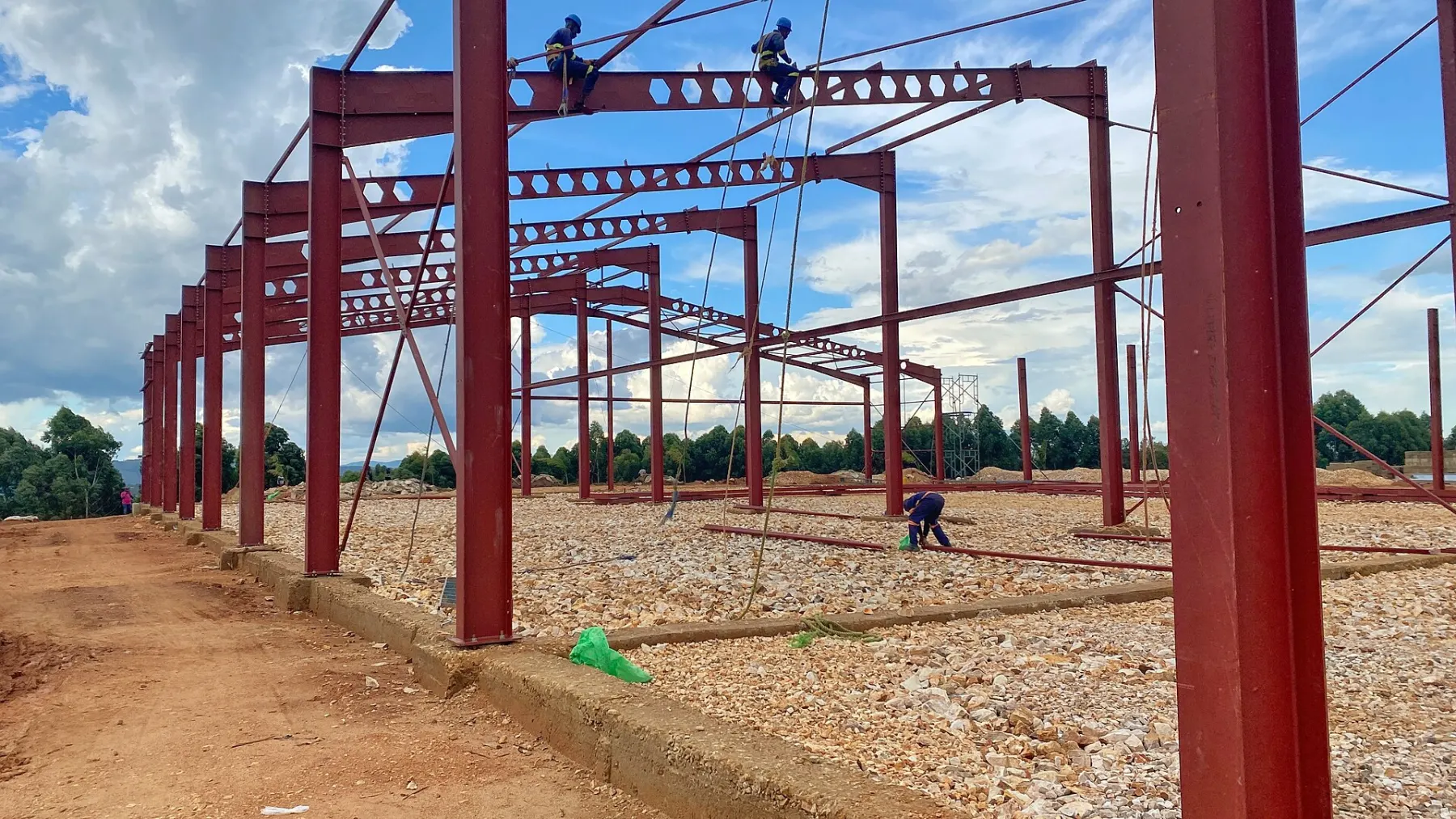
A treatment facility needs operators, drivers, laboratory staff, health and safety officers, mechanics, administrators and general workers. Many of these roles can and should be filled by Ugandans, including people from the districts nearest the site. Prioritising nearby communities for suitable roles brings income to the area and builds a workforce that understands local conditions and language.
Employment is not only about the number of jobs. It is also about the quality of work: fair terms, safe conditions and a route to more skilled positions. A contractor with certified health and safety and quality systems, such as ISO 45001, has a framework for giving workers a safe workplace and clear procedures.
Skills transfer that lasts
Skills transfer means that Ugandan staff learn technical and supervisory skills that they can carry through their careers. In waste management this can include waste characterisation, laboratory work, equipment operation, process monitoring, record keeping and safety supervision. Effective transfer is planned: it has named trainees, defined skills, mentoring from experienced staff and a way of checking progress.
Operators can ask contractors how they train staff, how many roles are held by Ugandans at supervisory level, and how knowledge is recorded so that it does not leave with one person. Specific numbers should come from the contractor's own records, not from marketing claims.
Local sourcing where it is feasible
Local sourcing covers everything from catering and transport to civil works, fabrication, spare parts and consumables. Where Ugandan suppliers can meet the quality, safety and delivery requirements, a contractor should be willing to use them, and to help them reach the required standard. Registration on the National Suppliers Database is one way that local businesses and buyers find each other, as discussed in the National Suppliers Database and what it means.
Practical steps that help include:
- publishing procurement needs early so that local firms can prepare
- breaking large packages into parts that smaller local firms can bid for
- setting clear quality and safety requirements, and supporting suppliers who need to meet them
- paying agreed invoices on time, since late payment is a barrier for small businesses
Where international sourcing is still needed
It would be unrealistic to claim that every item can be sourced in Uganda. Some specialised treatment equipment, analytical instruments and technology come from international manufacturers because there is no local alternative. Honest local content reporting says so, and focuses on what can be done locally: operation, maintenance, services, labour and the supply of ordinary goods. The aim is to increase the local share over time where it is feasible, without compromising safety or environmental performance.
Operators who want local content to be more than a statement can ask a few direct questions during tendering and contract review. How are vacancies advertised, and who is considered first? Which roles are filled by Ugandans at supervisory and technical level? What training has been delivered, and how was it recorded? Which goods and services are bought locally, and what support is given to local suppliers who need to meet quality or safety standards? Clear, documented answers show that the commitment is operational. Vague answers suggest it is not yet.
How White Nile Consults approaches local content
White Nile Consults is a Ugandan company, registered and listed on the National Suppliers Database, with a facility in Kikuube District. Its local content commitment is to prioritise Ugandan nationals and nearby communities, to transfer skills to its staff, and to source locally where this is feasible. These are commitments the company holds itself to, and operators are right to ask for evidence in the form of records and examples. You can read more about the company on the about page, and about community relations in community engagement around waste facilities.
Final thoughts
Responsible operators treat local content as a measurable part of contractor selection, alongside safety, licensing and technical capability. They ask for specifics, keep records and revisit commitments during the contract. If you would like to discuss how local participation could be built into a waste services arrangement, please contact the team.
Comments
No comments yet. Be the first to share your thoughts.