

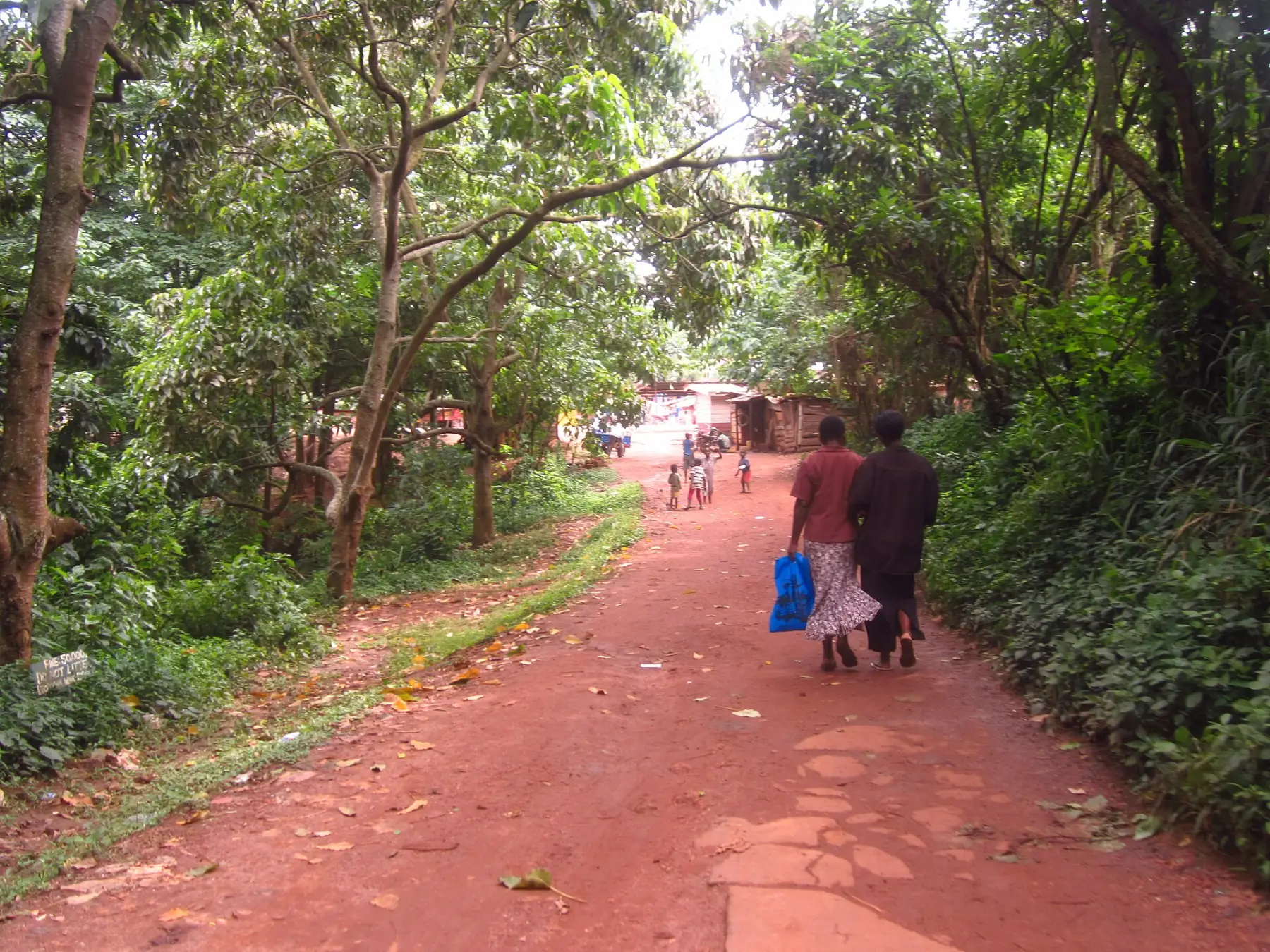
Community engagement waste facility planning is about how a treatment site relates to the people who live and work around it, from the first consultation to the last day of operation. This article sets out what good engagement looks like: clear communication, trained liaison officers, a workable grievance process, priority for nearby communities in employment, and transparency about what the facility does. It is written for operators, contractors and HSE leads working in rural Uganda and the Albertine Graben.
Why community engagement matters for a waste facility
Waste facilities attract concern. Neighbours worry about odour, dust, noise, water quality, traffic and health, and rumours can fill any gap left by missing information. A facility that is well run technically can still lose public trust if people feel they were not told what was happening or not heard when they raised a concern.
Engagement is therefore a form of risk management as well as courtesy. Early and honest contact reduces misunderstandings, surfaces local knowledge that planners may lack, and gives the operator a chance to fix problems while they are small. The ESIA process, described in ESIA explained for oil and gas projects, includes consultation, and engagement should not end when the assessment is approved.
Communicating clearly and regularly
Good communication is specific, plain and repeated. People want to know what the facility accepts, how waste is treated, what protects the water and air, who to contact and what to do in an emergency. Technical language should be translated into what it means for a household or a farm.
Methods that tend to work include:
- meetings with local leaders, councils and community representatives, held at times and places that suit them
- information in local languages, shared through radio, notice boards and face-to-face discussion, not only written reports
- open days or guided visits, where safe and arranged in advance, so that people can see the operation
- regular updates on monitoring results in a form that non-specialists can follow
- clear notice before activities that may affect neighbours, such as heavy transport or planned works
Consistency matters more than volume. A short, regular update builds more confidence than a large presentation once a year.
The needs of a community change as a facility moves from planning to construction, operation and closure. During planning, people want to understand what is proposed and have a say in how risks are managed. During construction, traffic, noise and the arrival of workers become the main concerns. In operation, attention turns to monitoring results, jobs and any incidents. At closure, people want to know what will be left behind and who will remain responsible. Planning engagement for each phase, and recording what was promised, avoids the common problem of commitments being forgotten when staff change.
The role of community liaison officers
A community liaison officer is the visible link between the facility and its neighbours. Effective liaison officers come from or know the area, speak the local language, are trusted by the community and have the authority to take issues to management. They attend community meetings, explain procedures, collect concerns and report back on what was done.
Their role should be defined in writing and supported with training in communication, conflict handling and the basics of the facility's operations and safety systems. A liaison officer who is not given real access to decision makers quickly loses credibility.
Grievance handling that people can use
A grievance process gives people a clear way to raise a concern and expect an answer. To work it needs to be easy to find, free to use, and open to complaints made verbally as well as in writing. Each complaint should be recorded, acknowledged promptly, investigated and answered with an explanation of what was found and what will be done. People should also know how to escalate if they are not satisfied.
Recording grievances has a second benefit: patterns become visible. Repeated complaints about dust on a particular road or noise at certain hours point to a cause that can be fixed. Operators who analyse their grievance log regularly tend to catch problems before they grow.
Employment and local participation
Few things influence community attitudes more than who benefits. Giving priority to suitable people from nearby communities for jobs, training and local purchasing shows that the facility is meant to be part of the area and not apart from it. This needs to be handled fairly and openly, with transparent recruitment, so that it does not create new tensions. The wider topic is covered in local content in Uganda's oil and gas sector.
Transparency about performance
Communities are reassured when the operator is open about permits, monitoring and incidents. Sharing the licences held, the monitoring programme for water and air, and a straightforward account of any incident and the corrective action taken builds credibility. Concealment, even of minor events, usually does more damage when it is discovered. Groundwater monitoring is a useful example, covered in monitoring groundwater near treatment sites.
Final thoughts
Responsible operators treat community engagement around a waste facility as an ongoing obligation: they listen, explain, respond and report. White Nile Consults operates a 110-acre treatment facility in Kikuube District, and its commitments include prioritising nearby communities and local participation. You can learn more about how the company works on the about page. If you would like to discuss engagement for a project, please contact the team.
Comments
No comments yet. Be the first to share your thoughts.