

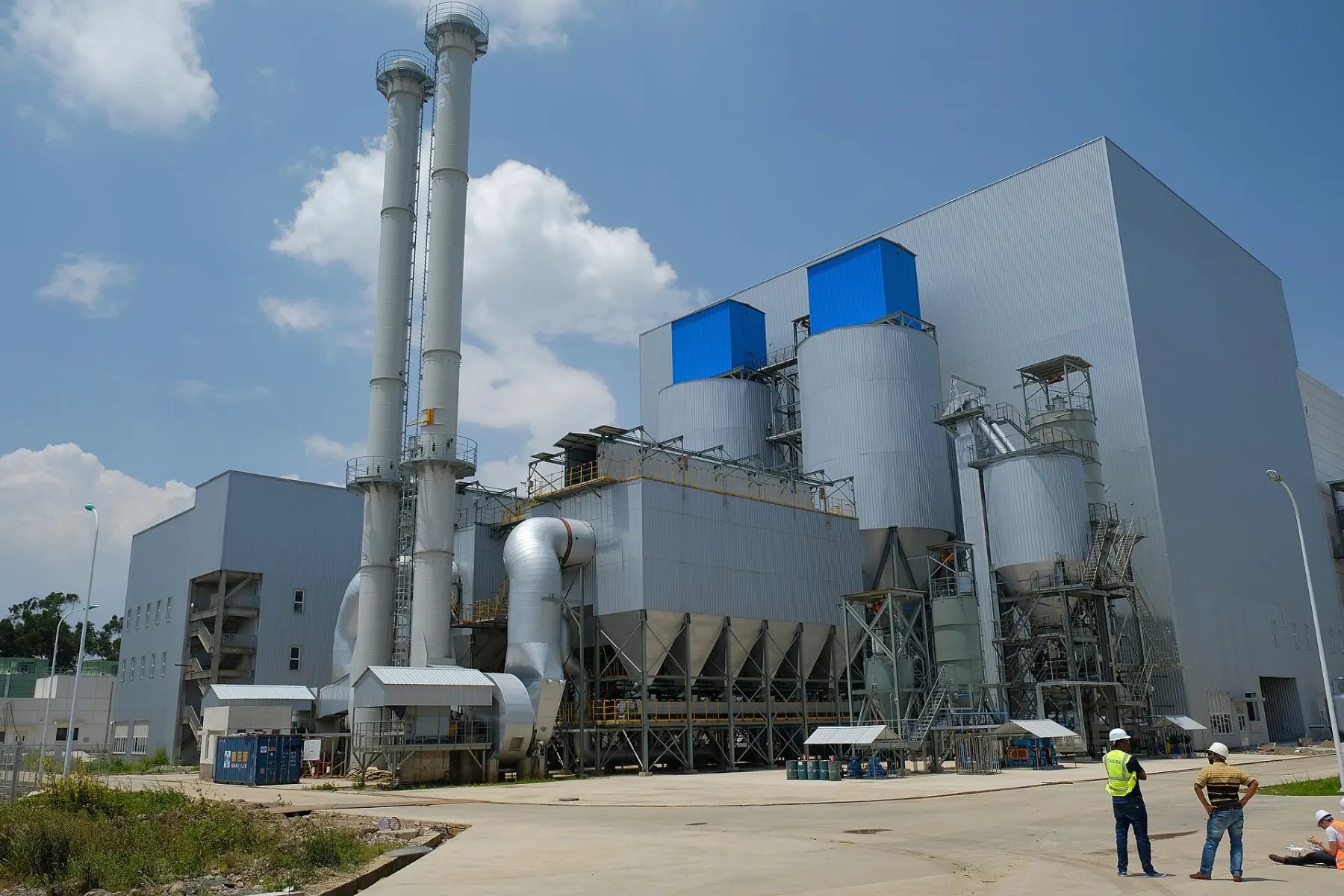
Waste valorisation is the process of identifying, testing and developing uses for materials that would otherwise be treated as liabilities, and doing so in a way that can be measured. This article explains how valorisation starts with characterisation and audit, which pathways are commonly considered for oilfield and industrial waste, and how to build a simple financial and risk picture before committing to a route. It is written for operators and project teams in Uganda who want to move beyond disposal as the default.
What waste valorisation means for an operator
Valorisation is broader than recycling. It asks whether a waste stream, after appropriate treatment, has a use that adds value: as a material, as a source of recoverable components, as an input to another process, or as a way to reduce the cost and risk of disposal. Some outcomes produce revenue. Others produce avoided cost, such as lower transport and landfill requirements. Either can be a legitimate gain, provided it is measured and not assumed.
Valorisation also has limits. Hazardous constituents, regulatory restrictions and the lack of a reliable end user can all prevent a route from being viable. Honest assessment up front saves time and protects the operator from taking on a liability disguised as an opportunity. The principle that recovery should come before disposal is set out in the waste management hierarchy.
Start with characterisation and a waste audit
Every valorisation project begins with knowing exactly what the waste is. A waste audit records the streams a site produces, their quantities, where and when they arise, and how they are currently stored and handled. Characterisation then looks inside each stream: its physical form, chemical composition, contaminants, moisture and variability over time.
Without this information, any claim about value is speculation. With it, the team can eliminate unsuitable streams quickly and focus on those with potential. The reasoning is explained in more detail in waste characterisation: why it comes first. Sampling needs to be representative, and testing should be carried out by a competent laboratory, since a single unrepresentative sample can lead a project in the wrong direction.
Common valorisation pathways
The pathways that merit a closer look depend on the stream. Typical categories include:
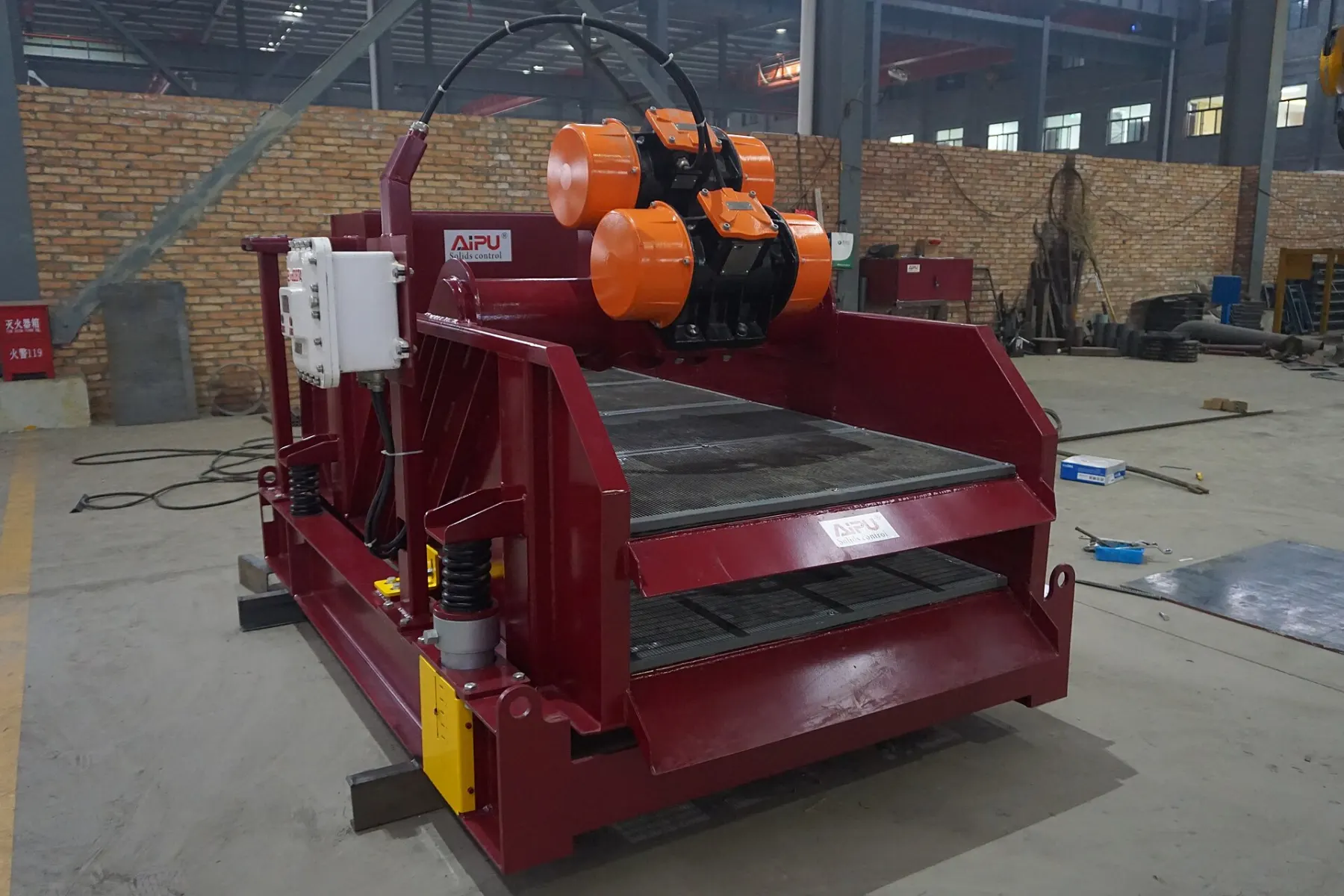
- Fluid recovery: reconditioning and reusing drilling fluids and separated liquids where quality allows
- Oil recovery: separating recoverable hydrocarbons from oily sludge and similar streams
- Material reuse: using treated solids in suitable engineering or construction applications, subject to testing and regulatory acceptance
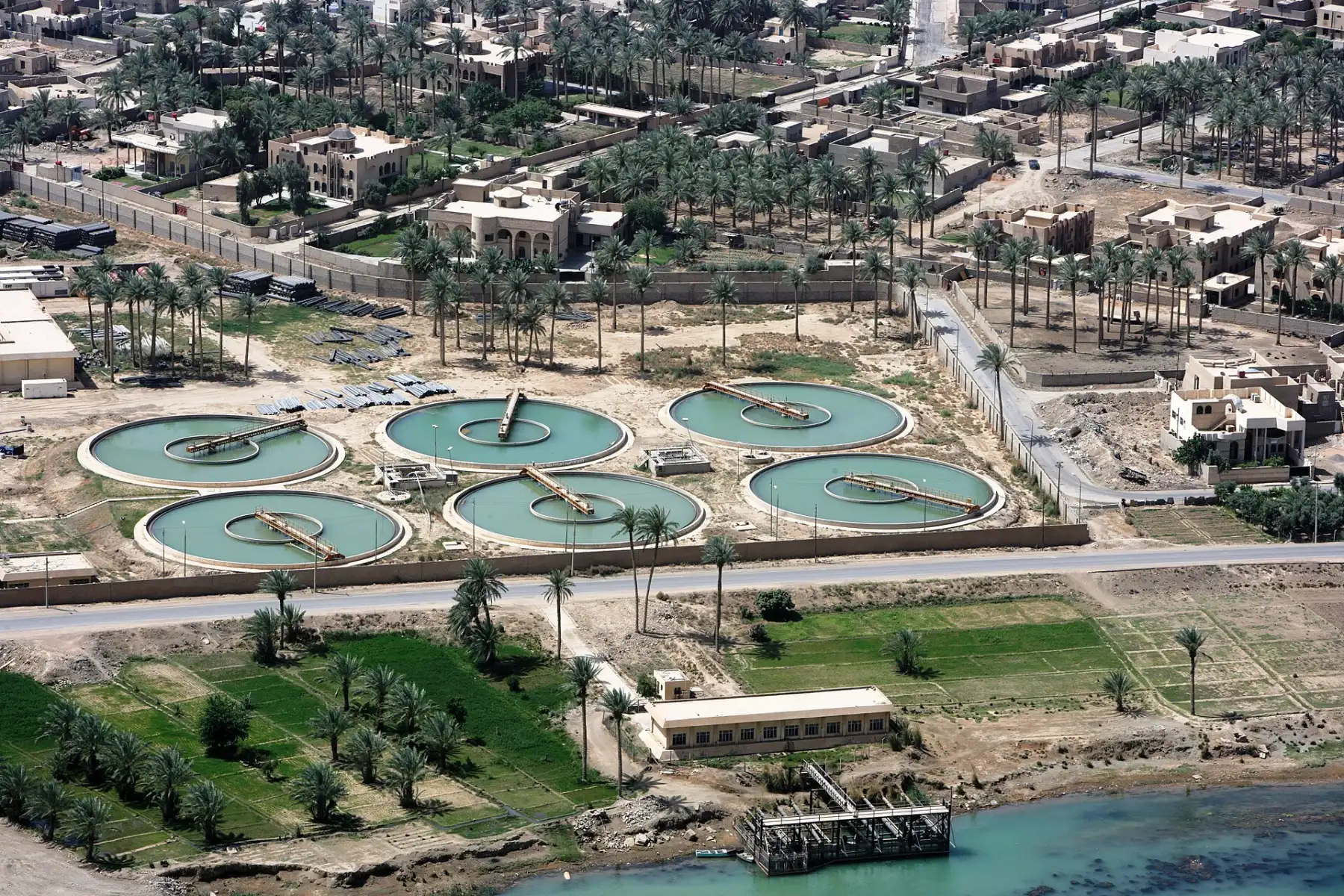
- Water reuse: treating water to a standard suited to a defined non-potable purpose
- Organic and biological routes: using biological treatment to stabilise suitable organic or hydrocarbon-bearing material
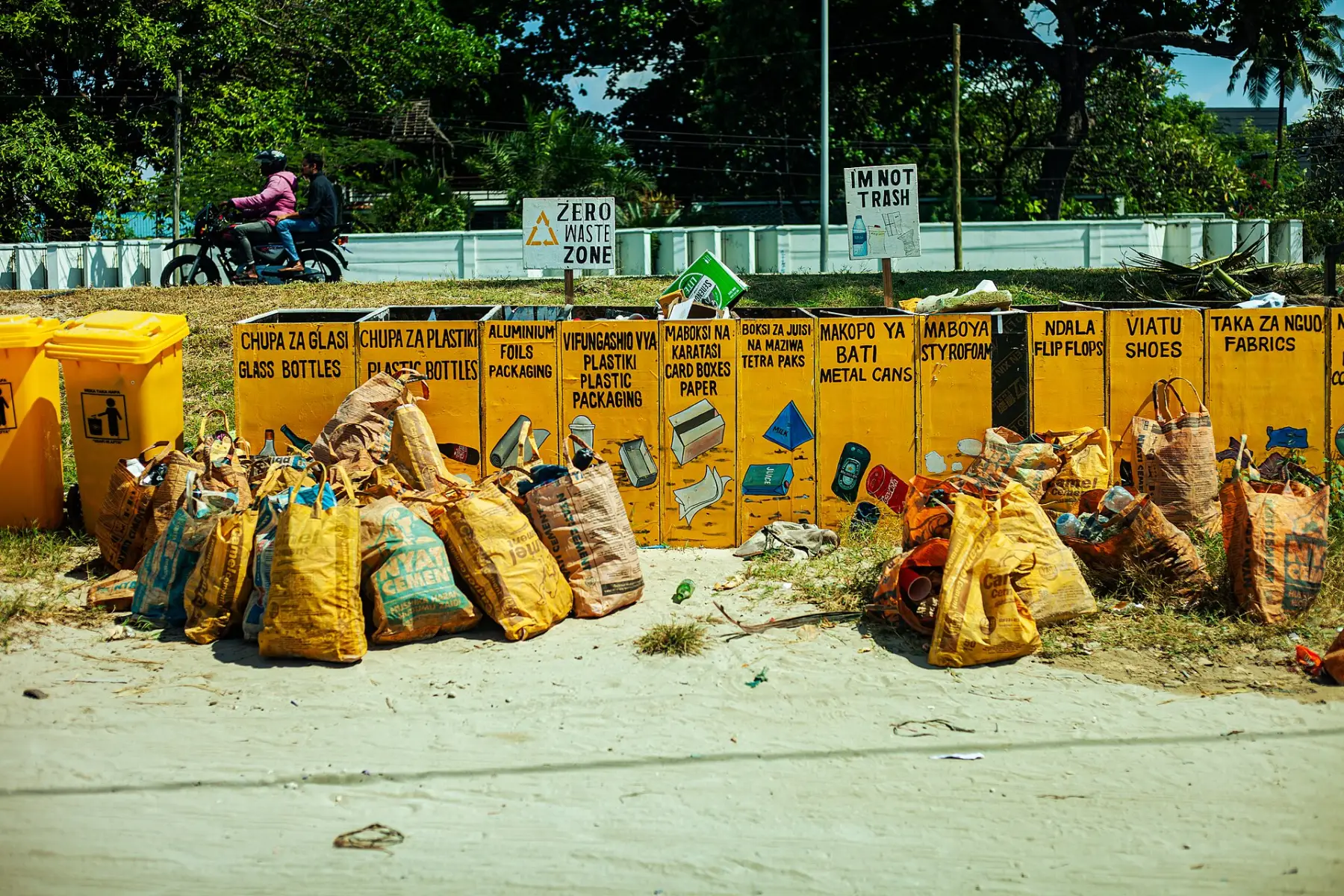
- Scrap and packaging recovery: sending metals and clean packaging to appropriate recyclers
Each pathway needs a defined specification, a buyer or user, and an approval route. For related operational detail, see recycling and reuse in oilfield operations and treating oily sludge step by step.
Building a financial and risk model for waste valorisation
A useful model is simple and transparent. It compares the full cost of the current route with the full cost of the valorisation route, on the same basis. Current-route costs typically include collection, storage, transport, treatment, disposal, documentation and the cost of long-term liability. Valorisation costs typically include testing, treatment or processing, quality assurance, handling and any approvals.
On the other side of the ledger, the model should include any income from recovered products and any avoided costs. Sensitivities matter: what happens if the quality of the feed varies, if the end user's demand falls, or if a regulator imposes new conditions? Where figures are uncertain, say so and test a range, rather than presenting a single hopeful number. This project's own data should drive the model, not general claims about what is possible elsewhere.
Regulatory and quality considerations
Recovered materials do not escape regulation simply because they have a use. Depending on the waste and the intended use, operators may need to engage NEMA, the Petroleum Authority of Uganda and other relevant bodies, and may need to hold or rely on appropriate permits. UNBS standards may also be relevant where a recovered product is to be used as a material. Current requirements should always be confirmed with the regulator before a route is developed.
Quality assurance is the other half of the picture. Batch records, testing against a stated specification and a clear chain from source waste to final use are what make a valorisation route defensible. Our guide to waste tracking and documentation describes the kind of audit trail that supports this.
Starting small and learning from the data
Operators often find that the sensible first step is a pilot on one well-understood stream, rather than a site-wide programme. A small trial reveals practical problems with handling, testing and end-user acceptance at low risk, and produces real data for the financial model. Successful pilots can then be extended with more confidence.
Final thoughts
Responsible operators approach waste valorisation as an engineering and risk question, not a slogan. They characterise first, test claims, count all the costs and keep disposal available as a safe fallback. White Nile Consults offers a dedicated Valorization of Waste service, working from characterisation through to treatment routes selected by waste type and risk. If you would like to explore which of your waste streams might have a viable route, please contact the team.
Comments
No comments yet. Be the first to share your thoughts.